Modern Accessories for the Outdoor Space
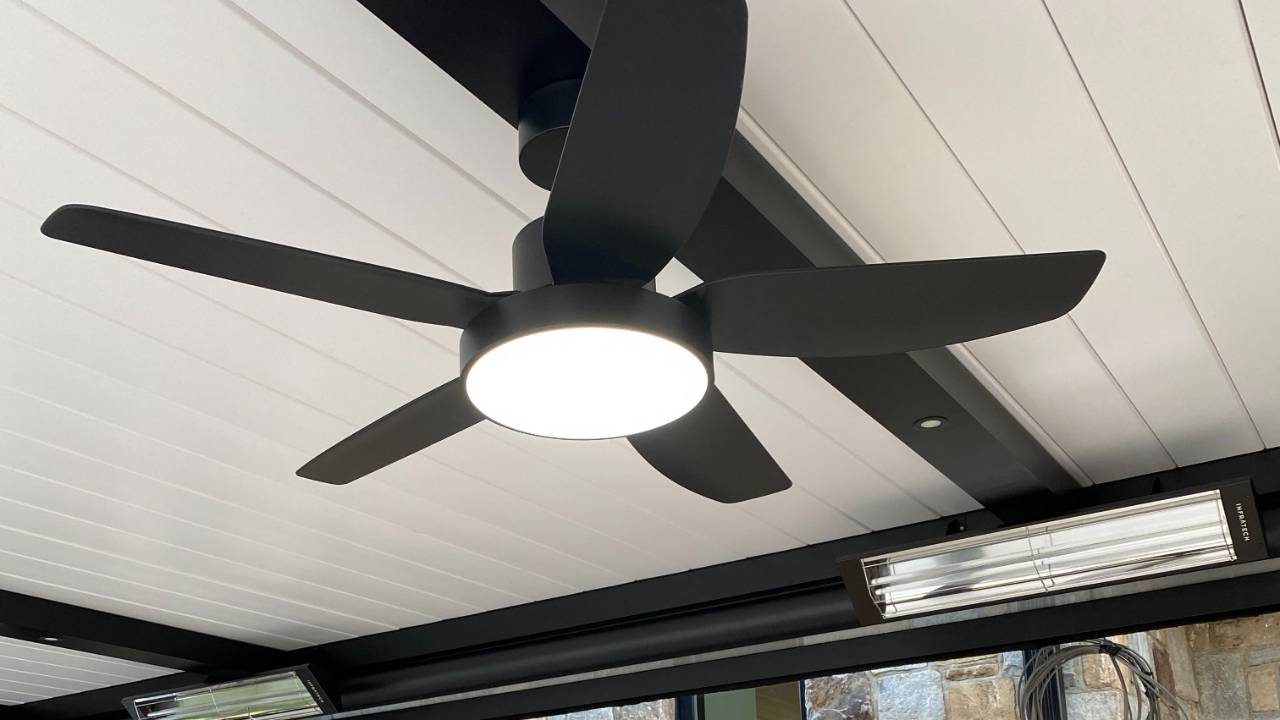
Outdoor living has changed significantly in recent years. What was once a relatively simple space with a table, a few chairs, and perhaps a grill can now function much more like an extension of the home. Advances in outdoor technology have made it possible to control sunlight, temperature, wind, rain, privacy, and even lighting with the push of a button.
These additions are not simply about adding more features. When thoughtfully incorporated into the design, modern outdoor accessories can make a structure more comfortable, more adaptable, and more useful throughout the year.
Here are some of the technologies changing the way we use outdoor spaces.
Operable Louvers
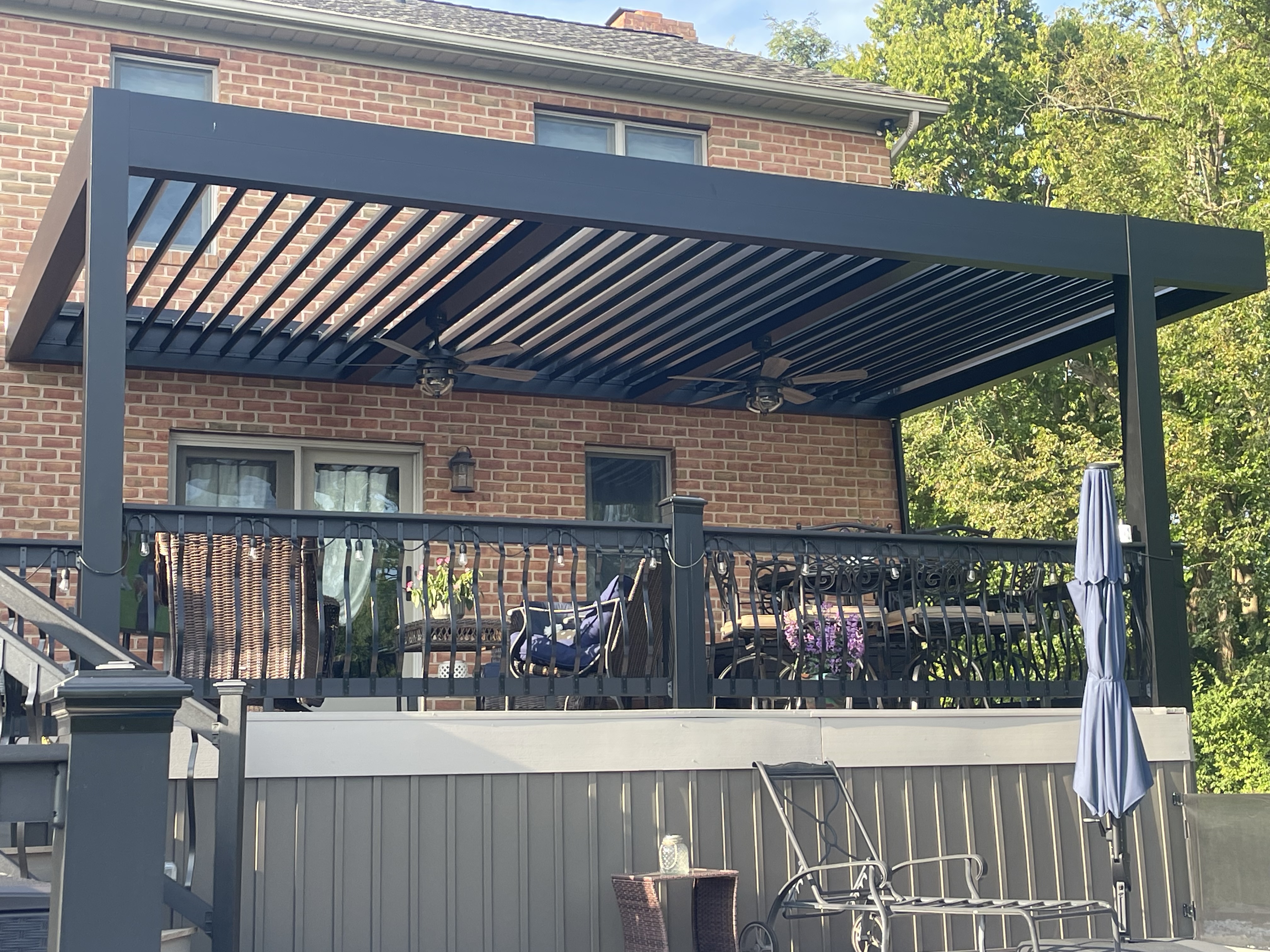
One of the most recognizable advancements in outdoor design is the operable louvered roof. Unlike a traditional fixed roof, operable louvers allow the amount of sunlight and airflow entering a space to be adjusted as conditions change.
Louvers can be opened to allow sunlight and fresh air into the space or closed to p...
Fire Pit vs. Fireplace vs. Fire Table: Which Fire Feature Is Right for Your Outdoor Space?
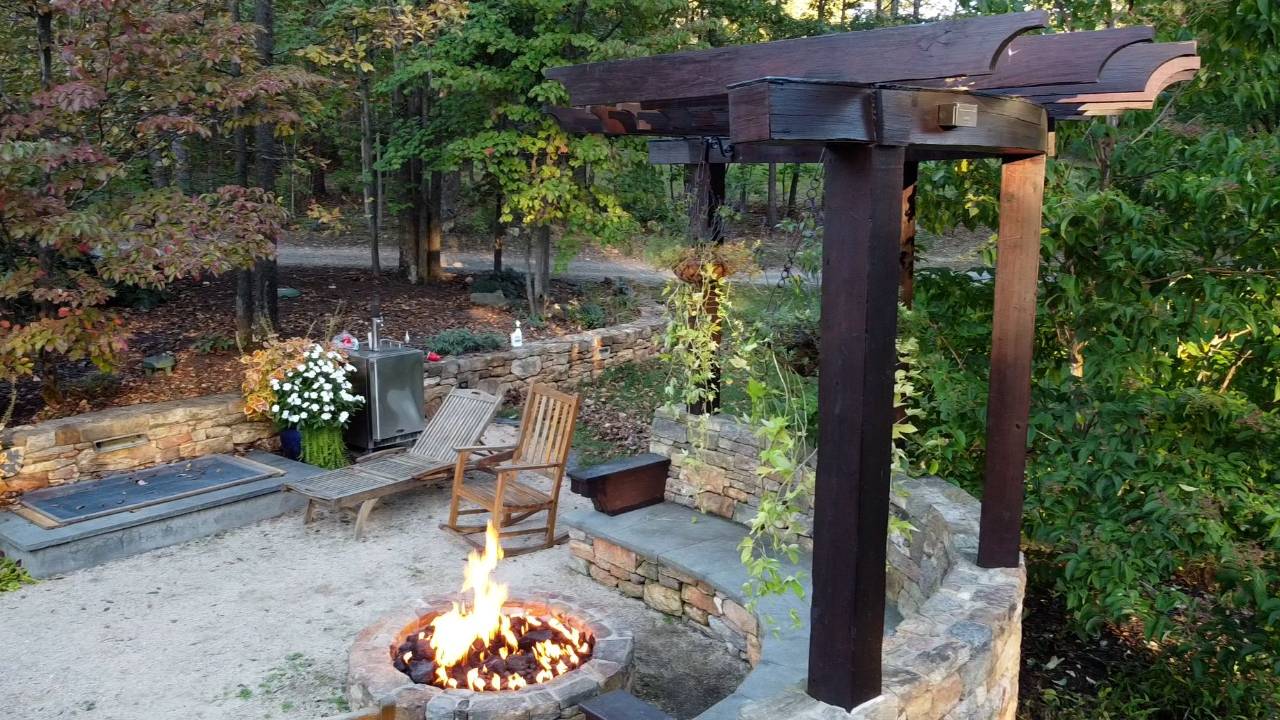
A fire feature can completely change the way an outdoor space is used. It can create a natural gathering point, extend the usable season, and add another layer of warmth and atmosphere to a garden or outdoor living area.
But not every fire feature serves the same purpose. A traditional fire pit, architectural fireplace, and fire table each create a different experience and can have very different impacts on the design of a space.
When planning an outdoor living area, it is worth considering not only how the fire feature looks, but also how people will gather around it, how much space it requires, and how it works with the surrounding architecture.
Fire Pits
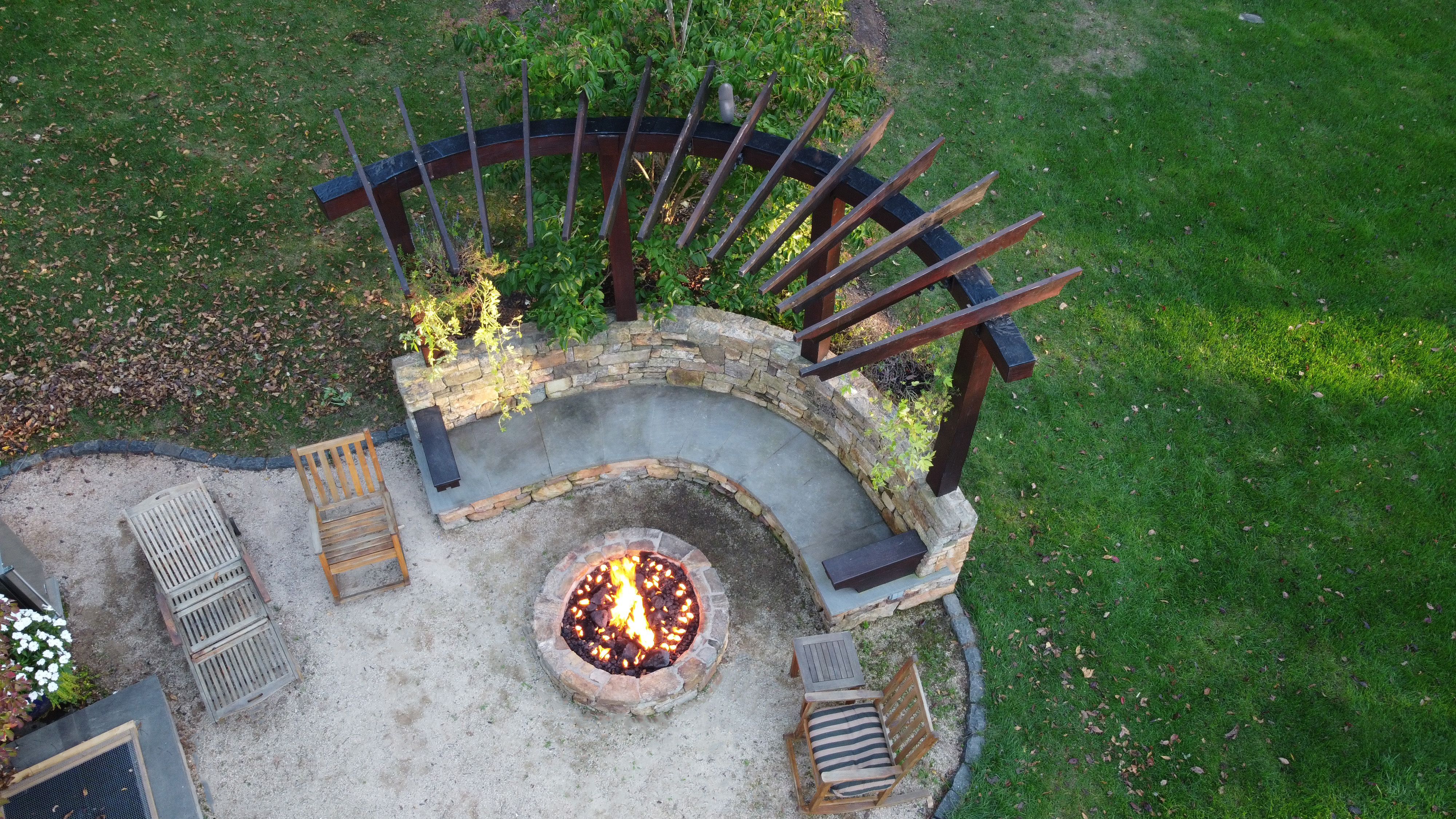
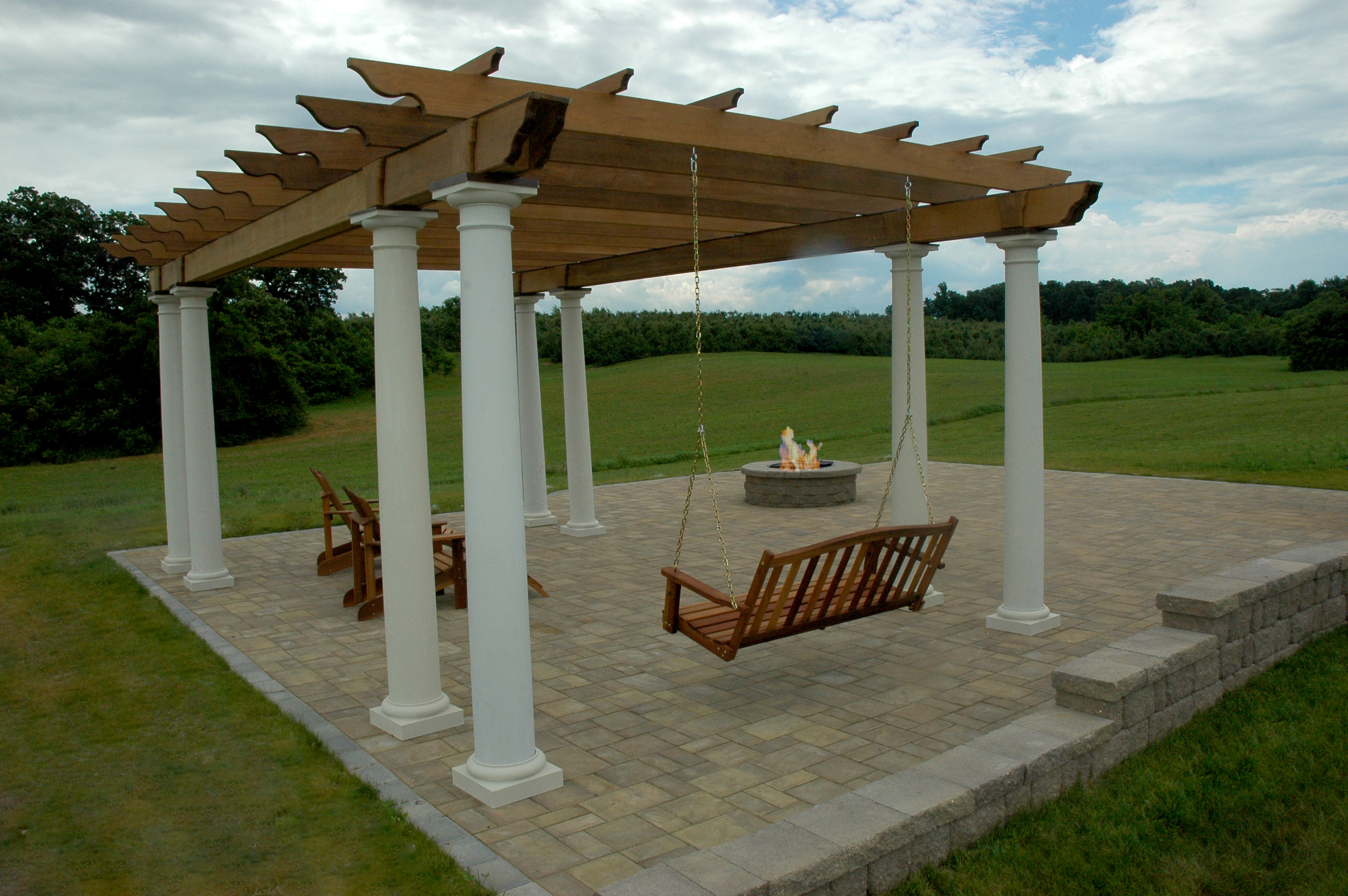
Fire pits are one of the most flexible ways to introduce fire into an outdoor space. Because they are generally open on all sides, seating can be arranged around the fire, creating a natural gathering area.
A fire pit can be as simple as a low masonry structure or as refined as a custom architectural feature integrated in...
What is a Pedestal in Architecture?

When looking at an architectural column, it is easy to focus on the column itself. Its shaft, capital, proportions, and decorative details tend to attract the most attention. But there is another architectural element at the bottom that plays an important role in the overall design: the pedestal.
A pedestal is the architectural base or support upon which a column, post, statue, vase, or other feature is placed. In outdoor design, pedestals can provide both practical support and an important visual transition between the landscape and the architecture above it.
For landscape professionals, understanding what a pedestal is and how it relates to columns, posts, and other architectural elements can be useful when designing pergolas, pavilions, porticos, garden structures, and formal landscapes.
What Is a Pedestal in Architecture?
At its simplest, a pedestal is a raised architectural base that supports something above it.
When used with a column, the pedestal creates a transition betwe...
Porticos in Outdoor Design: Timeless Architecture That Makes a Lasting First Impression
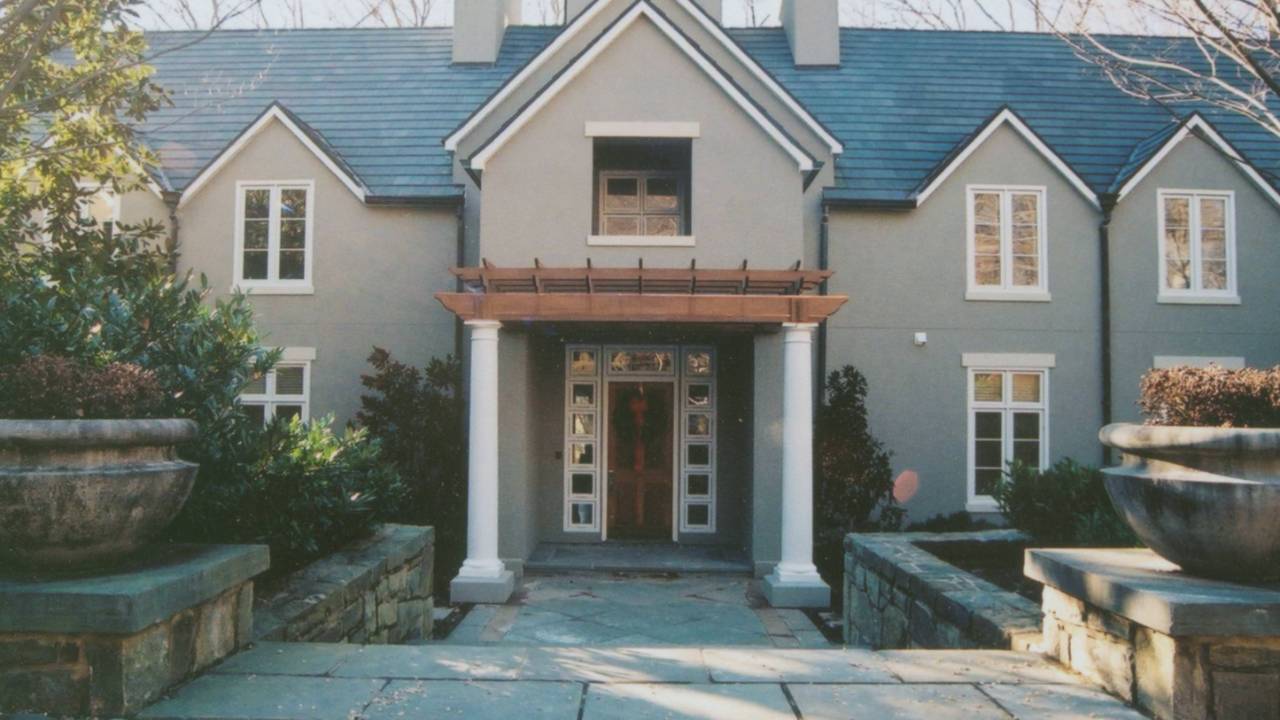
A home's entrance is more than just a doorway. It is the transition between the outside world and the space within, setting the tone for the architecture that follows. One of the most elegant ways to enhance this transition is with a thoughtfully designed portico.
For centuries, porticos have been used to create grand entrances, provide shelter from the elements, and add architectural character to homes of every style. Whether inspired by classical architecture or interpreted with a more contemporary approach, a well-designed portico brings both beauty and function to a home's exterior.
At FineHouse, we believe every outdoor structure should be designed with intention. A custom portico not only improves curb appeal but also creates a welcoming entrance that complements the home's overall architectural style.
What Is a Portico?
A portico is a covered entrance supported by columns or posts that projects from the front of a building. Unlike a full porch, a portico is typically designe...
Why Outdoor Structures Need Ventilation
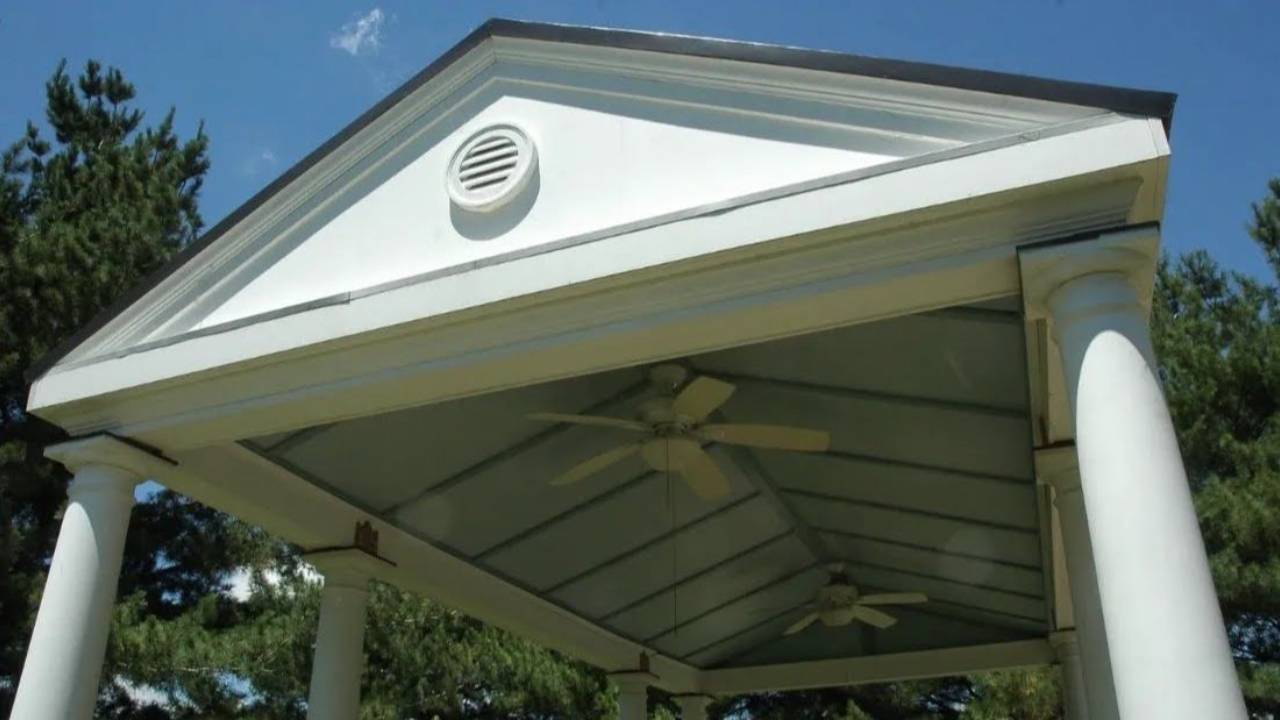
When planning an outdoor structure, ventilation may not be the first thing that comes to mind. Homeowners and designers often focus on the structure's size, materials, roof design, and overall appearance, but proper airflow can play an important role in how comfortable and durable the finished space will be.
From pavilions and gazebos to enclosed garden rooms and other covered structures, ventilation can help manage heat, moisture, and air movement. For landscape professionals, considering ventilation early in the design process can lead to outdoor spaces that perform better and remain more comfortable throughout the year.
Ventilation Helps Control Heat
One of the most noticeable benefits of ventilation is improved comfort.
Covered outdoor structures can trap heat, particularly during the summer. Warm air naturally rises, which means heat can collect near the ceiling or roof. Without a way for that hot air to escape, the space underneath can become significantly warmer than the sur...
The Backyard Pergola Planning Checklist
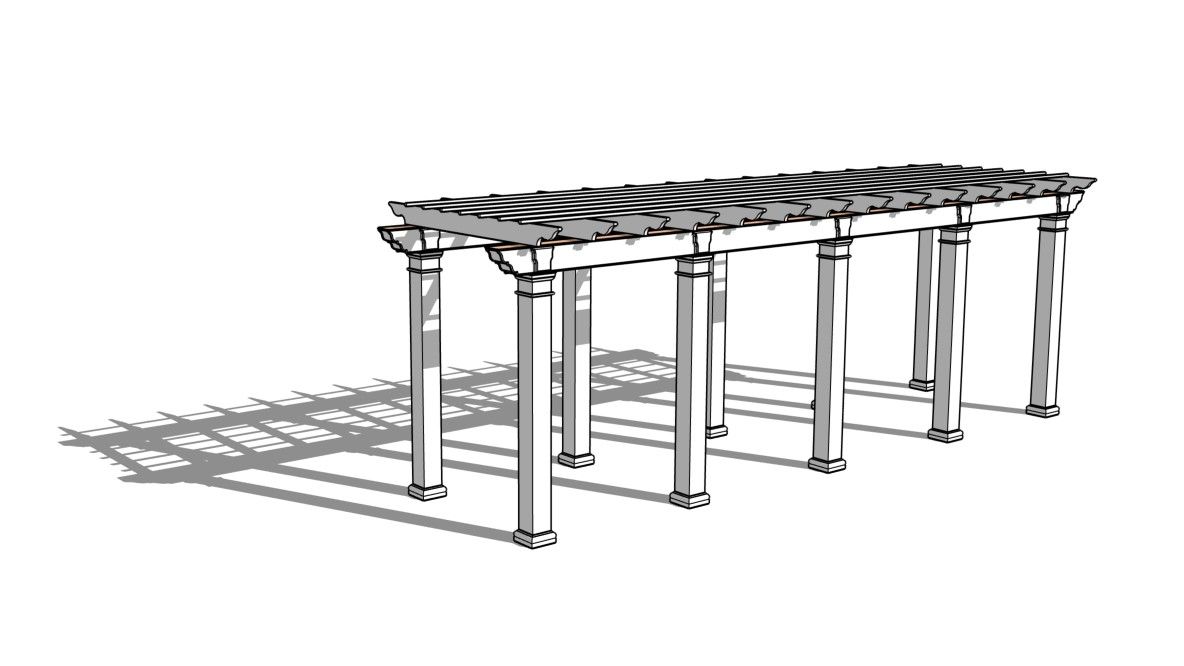
□ Define How You'll Use Your Pergola
Before choosing a style or size, think about the pergola's purpose.
-Outdoor dining area
-Lounge or conversation space
-Outdoor kitchen
-Hot tub or spa cover
-Garden feature
-Poolside shade
-Outdoor workspace
Knowing how you'll use the space will influence nearly every design decision that follows.
□ Choose the Best Location
Walk around your property and consider:
-Sun exposure throughout the day
-Existing trees and landscaping
-Views you want to highlight
-Areas you'd like to screen from neighbors
-Wind exposure
-Drainage after heavy rain
A pergola should complement both your home and your landscape.
□ Measure Your Space
Before selecting a pergola size:
-Measure the available area.
-Leave enough room for walkways.
-Account for furniture dimensions.
-Ensure doors and gates have adequate clearance.
-Consider roof overhangs and nearby structures.
Pro Tip: Consider using props, such as ropes and buckets as the perimeter an...
The Complete Guide to Accoya Wood: Why It's One of the World's Most Advanced Building Materials
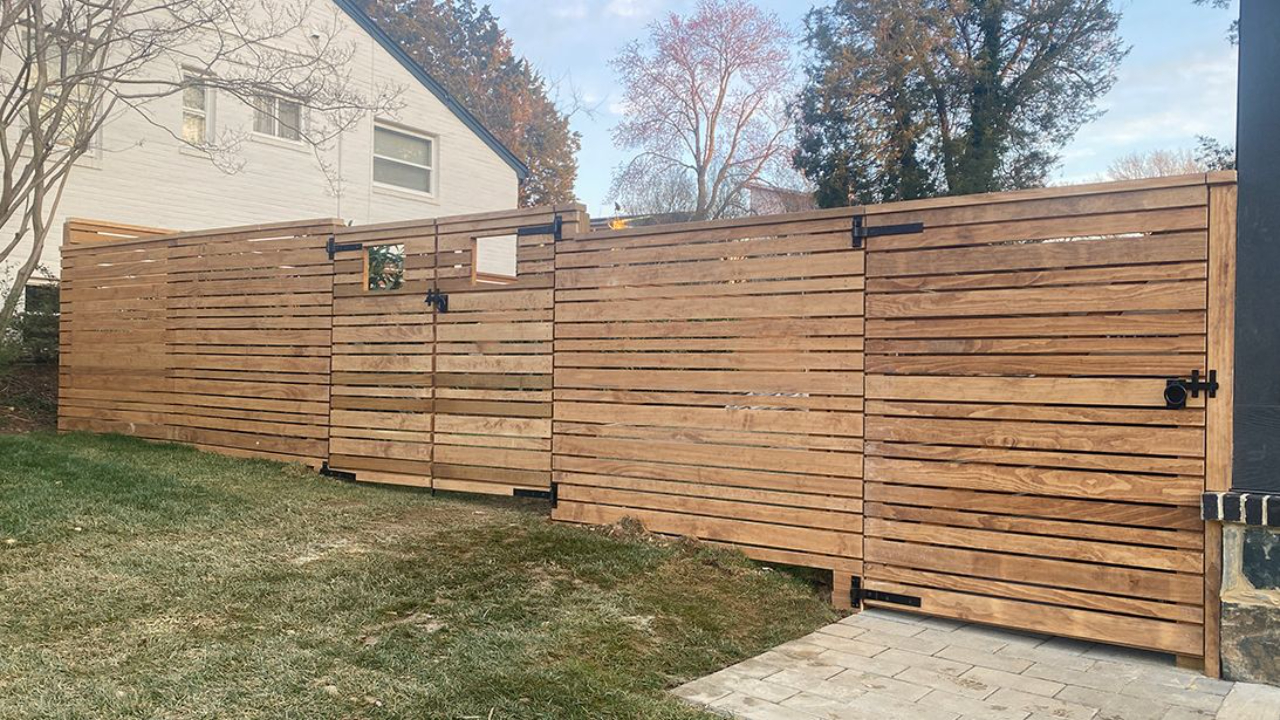
When it comes to choosing materials for an outdoor living space, the decision often comes down to more than appearance. Homeowners and designers want products that are beautiful, durable, sustainable, and built to last through decades of changing seasons.
That's exactly why Accoya wood has become one of the most respected materials in modern architecture.
Used in everything from luxury pergolas and custom millwork to siding, windows, doors, and waterfront projects. Accoya combines the warmth and beauty of natural wood with performance characteristics that were once thought impossible. Rather than relying on chemical preservatives or synthetic materials, Accoya uses an innovative wood modification process that enhances the wood's natural properties from the inside out.
So what makes Accoya different? And why are architects around the world specifying it for some of their most demanding projects?
Let's take a closer look.
What Is Accoya Wood?
Accoya is a high-performance modified w...
How to Create a Functional Outdoor Living Space
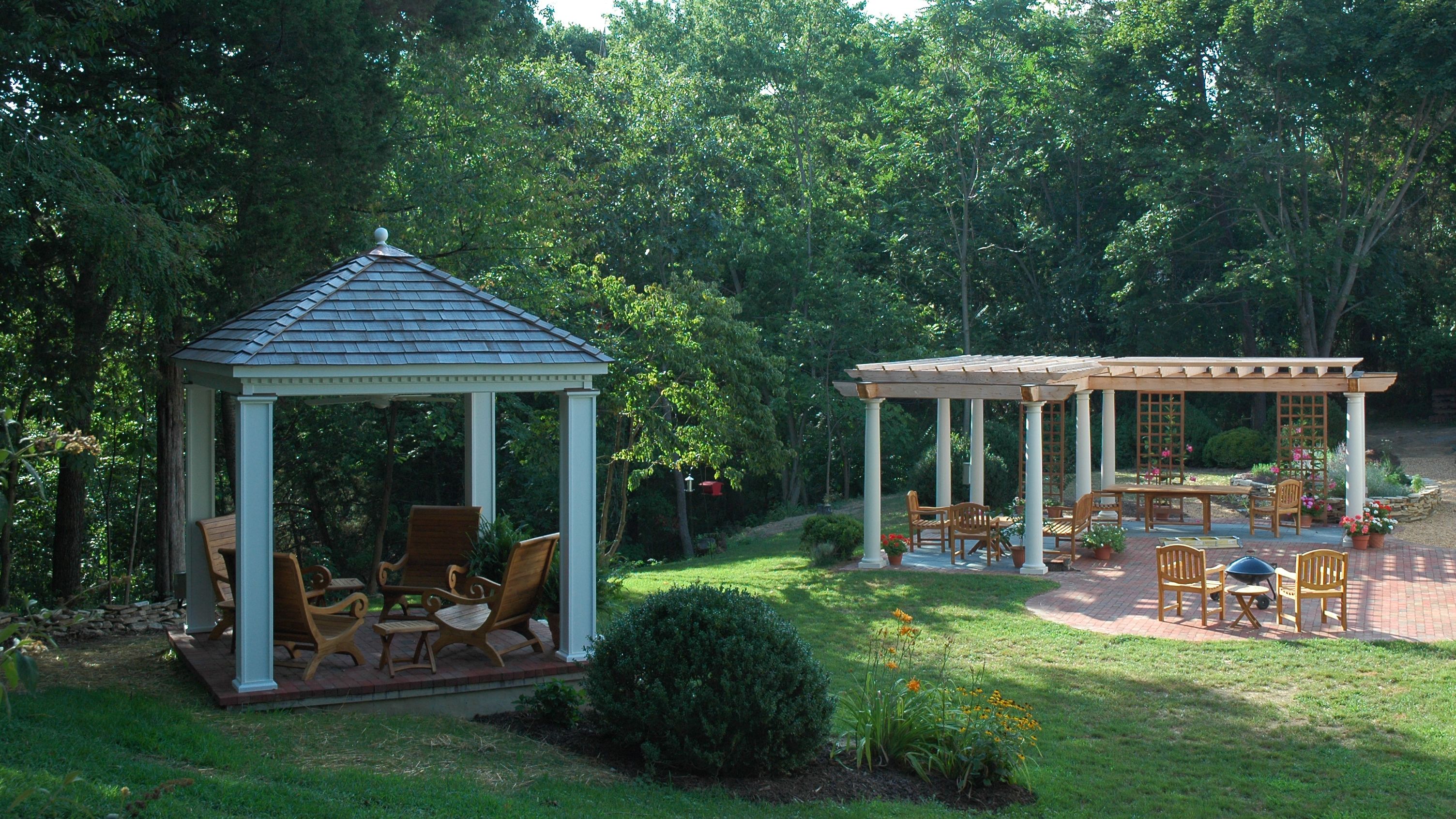
An outdoor living space should feel like a natural extension of your home, comfortable, intentional, and designed around the way you actually live. Whether you’re creating a quiet retreat for relaxing mornings or a space built for entertaining guests, functionality is what transforms a backyard into a true outdoor living experience.
The best outdoor spaces balance beauty with usability. A thoughtfully designed pergola, pavilion, or garden structure doesn’t just improve the look of your property, it creates an environment that supports the way you gather, dine, work, and unwind outdoors.
Start with How You Want to Use the Space
Before choosing materials, furniture, or finishes, think about how the space will function day to day. The most successful outdoor living areas are designed with purpose.
Ask yourself:
What will this space primarily be used for?
Do you want an outdoor dining area?
Are you looking for shade near a pool or patio?
Will the space need protection from sun or rain...
Outdoor Columns in Design: How Architectural Columns Shape Outdoor Living Spaces
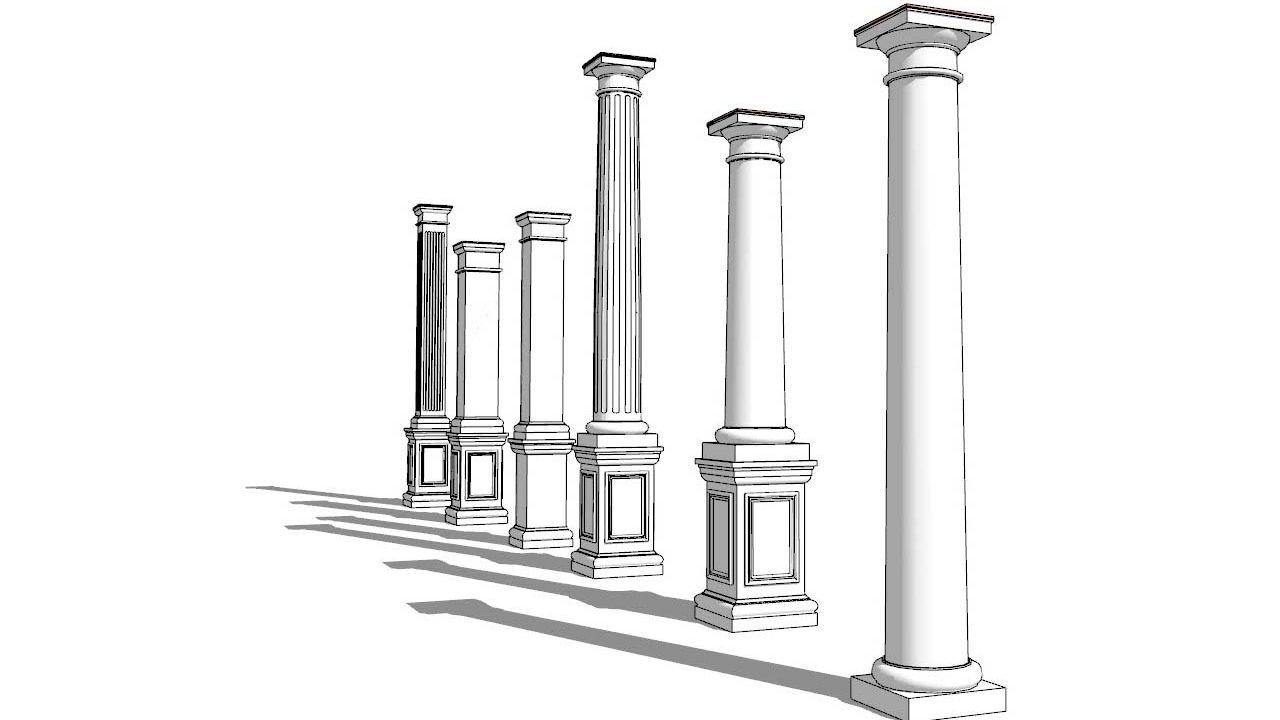
Columns play a critical role in outdoor design, combining structural performance with architectural style. Whether used on covered patios, pergolas, porches, or outdoor living spaces, columns help define how a space looks, feels, and functions. When thoughtfully designed, they transform outdoor structures from simple additions into intentional extensions of the home.
The Structural Importance of Outdoor Columns
At their core, columns provide essential structural support. They carry roof loads, stabilize outdoor structures, and allow for open layouts without excessive framing. In outdoor construction, properly designed columns are key to safety, durability, and long-term performance.
Outdoor columns must withstand constant exposure to wind, moisture, sun, and temperature changes. That’s where systems like FineHouse’s PostCore™ come in. PostCore™ is designed to reinforce columns while simplifying installation, ensuring your outdoor structures are both strong and reliable.

Column...
Why Copper is a Smart Choice for Outdoor Structures
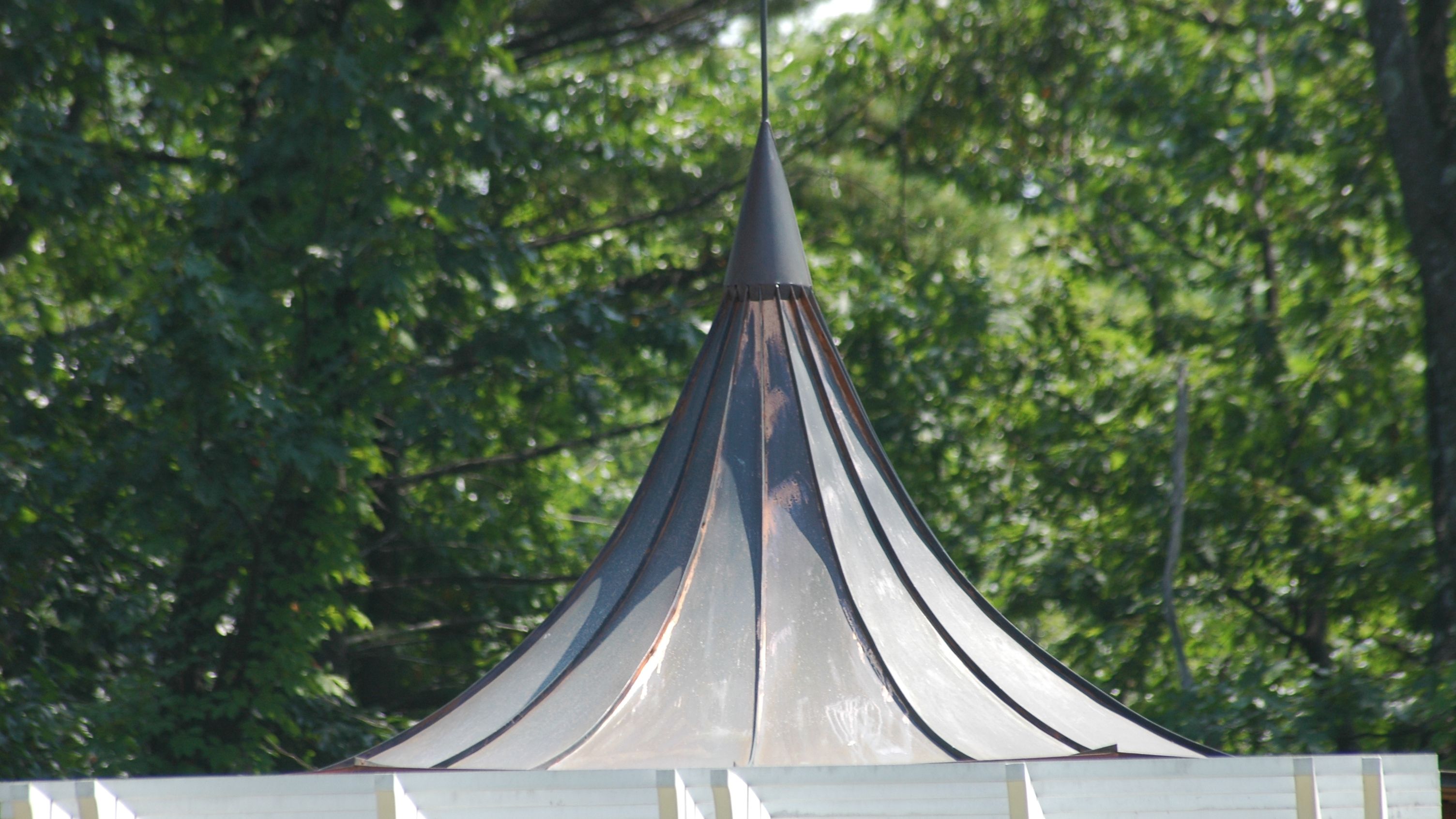
In landscape design, every material tells a story — of craftsmanship, durability, and aesthetic intent. Few materials express all three quite like copper. With its warm sheen, graceful aging process, and remarkable weather resistance, copper doesn’t just complement garden structures — it enhances them, season after season.
At FineHouse, we believe every detail should serve both form and function. Copper excels at both.
A Living Finish That Ages with Grace
Copper begins its life outdoors with a brilliant, burnished glow — a statement of elegance and warmth. But its true beauty is revealed over time, as exposure to air and moisture naturally transforms its surface. Without any intervention, copper develops a patina that gradually shifts from golden hues to deep umber, and ultimately to shades of blue-green and soft gray.
This transformation is one of copper’s most valued traits. It doesn't deteriorate — it evolves. The material reflects its surroundings and responds to climate and...
