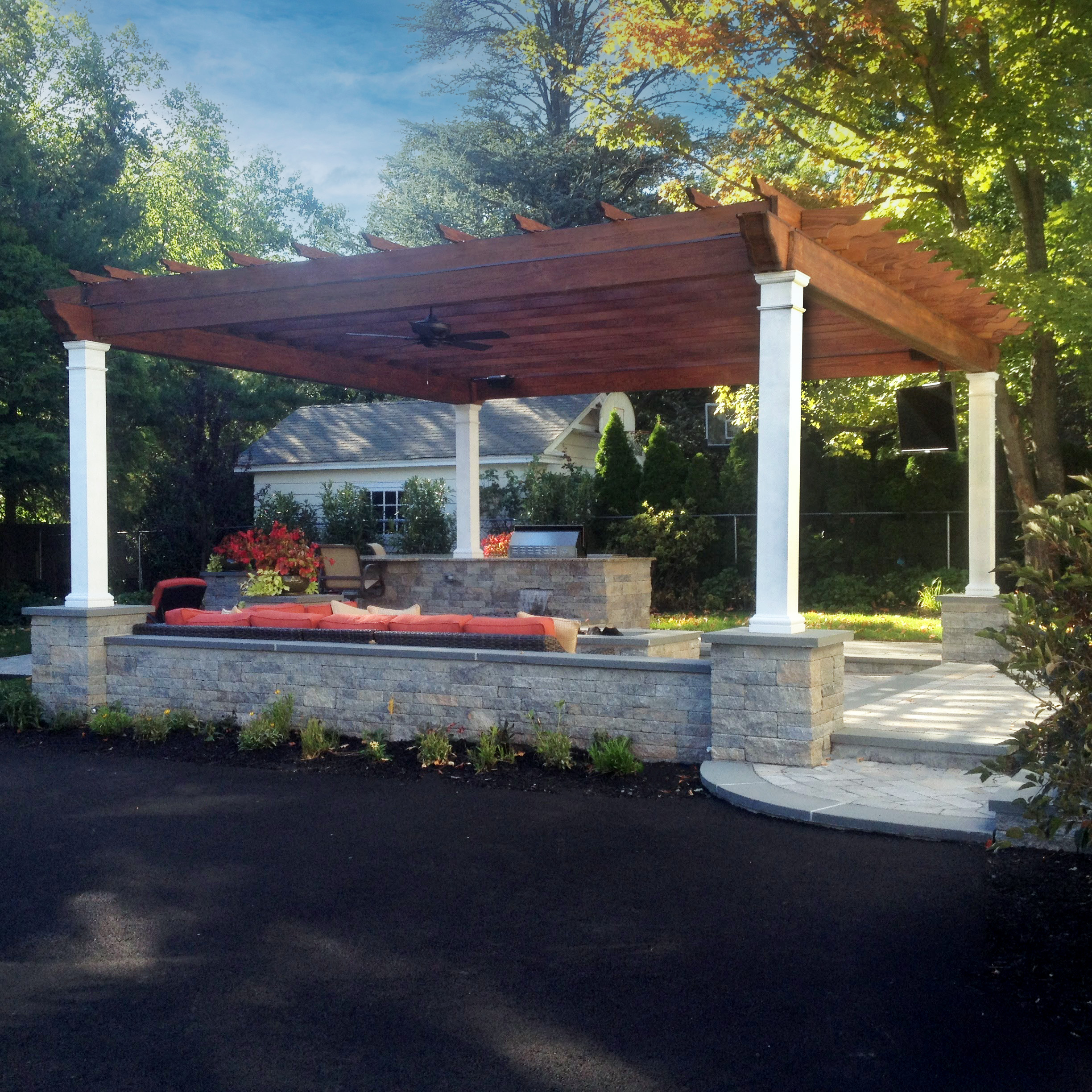
How to Create a Functional Outdoor Living Space
An outdoor living space should feel like a natural extension of your home, comfortable, intentional, and designed around the way you actually live. Whether you’re creating a quiet retreat for relaxing mornings or a space built for entertaining guests, functionality is what transforms a backyard into a true outdoor living experience.
The best outdoor spaces balance beauty with usability. A thoughtfully designed pergola, pavilion, or garden structure doesn’t just improve the look of your property, it creates an environment that supports the way you gather, dine, work, and unwind outdoors.
Start with How You Want to Use the Space
Before choosing materials, furniture, or finishes, think about how the space will function day to day. The most successful outdoor living areas are designed with purpose.
Ask yourself:
What will this space primarily be used for?
Do you want an outdoor dining area?
Are you looking for shade near a pool or patio?
Will the space need protection from sun or rain?
Do you want a quiet retreat or a multi-functional gathering area?
Understanding the primary use of the space helps determine the layout, structure type, and features you’ll need.
Define the Space with Architectural Structure
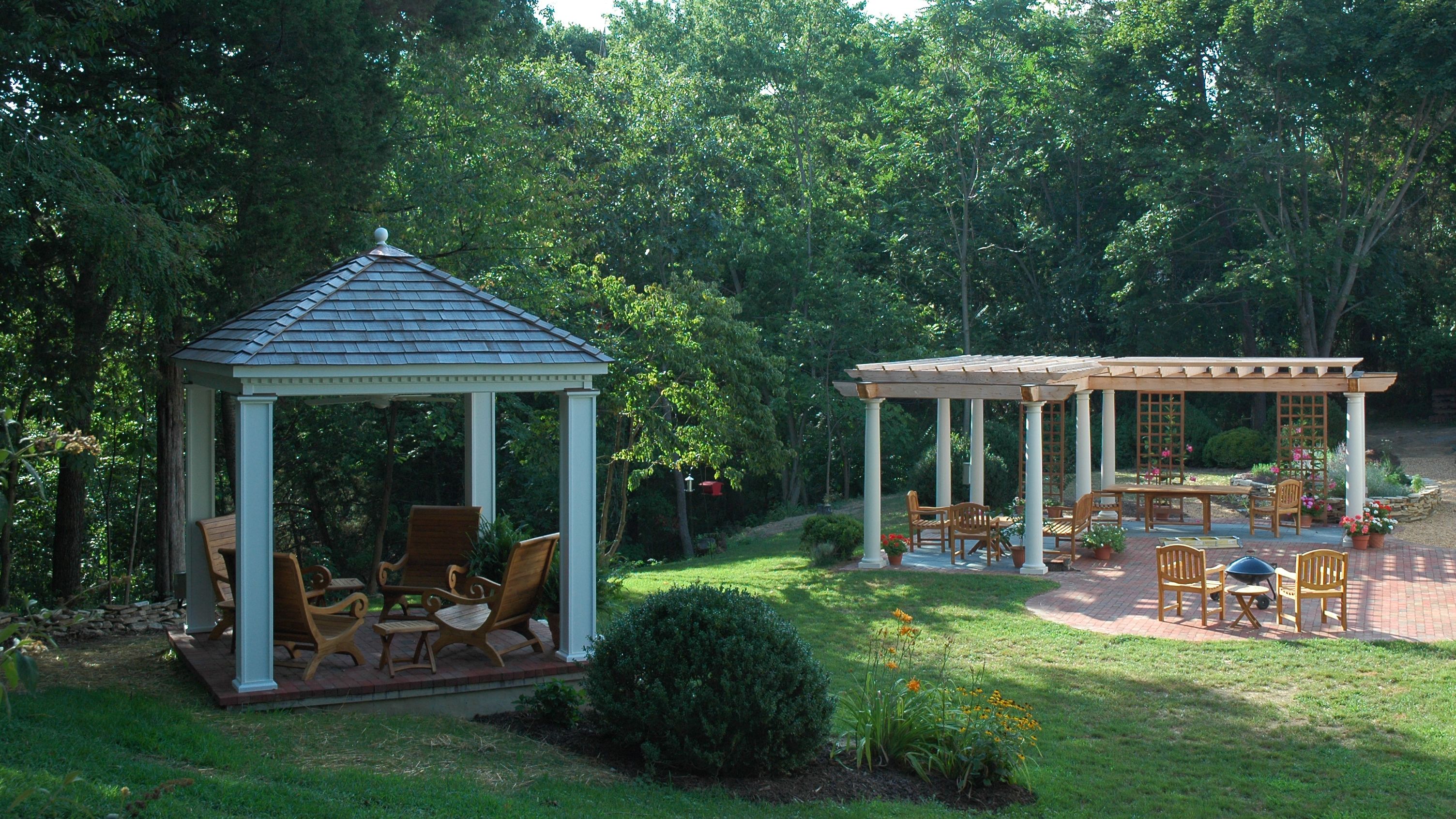
One of the most effective ways to create a functional outdoor environment is by defining the space architecturally. Pergolas, pavilions, and covered structures create visual boundaries while making outdoor areas feel more intentional and comfortable.
A well-designed structure can provide shade and weather protection, establish outdoor “rooms,” improve privacy, add scale and architectural interest, and support lighting, fans, heaters, or retractable screens.
At FineHouse, architectural garden structures are designed not only to elevate aesthetics, but to create outdoor spaces that feel livable year-round.
Prioritize Comfort and Flow
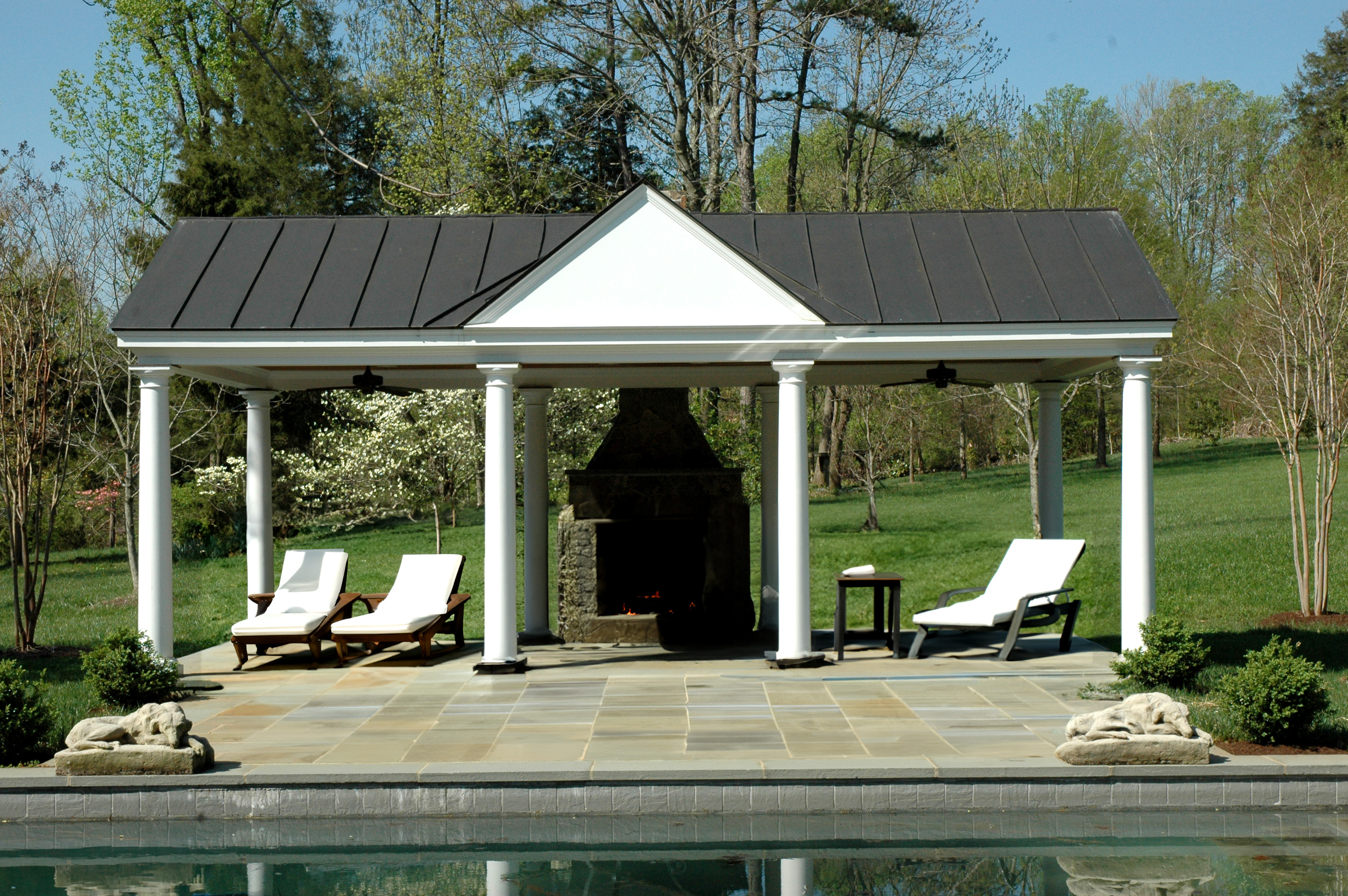
A functional outdoor space should feel easy to move through and comfortable to spend time in. Think about traffic flow, seating arrangements, and how different areas connect to one another.
Some key considerations include leaving enough room around furniture for movement, creating separate zones for dining and lounging, positioning seating to encourage conversation, considering proximity to indoor kitchens or living areas, and planning for shade throughout the day.
Even smaller outdoor spaces can feel spacious and inviting when thoughtfully arranged.
Incorporate Shade and Weather Protection
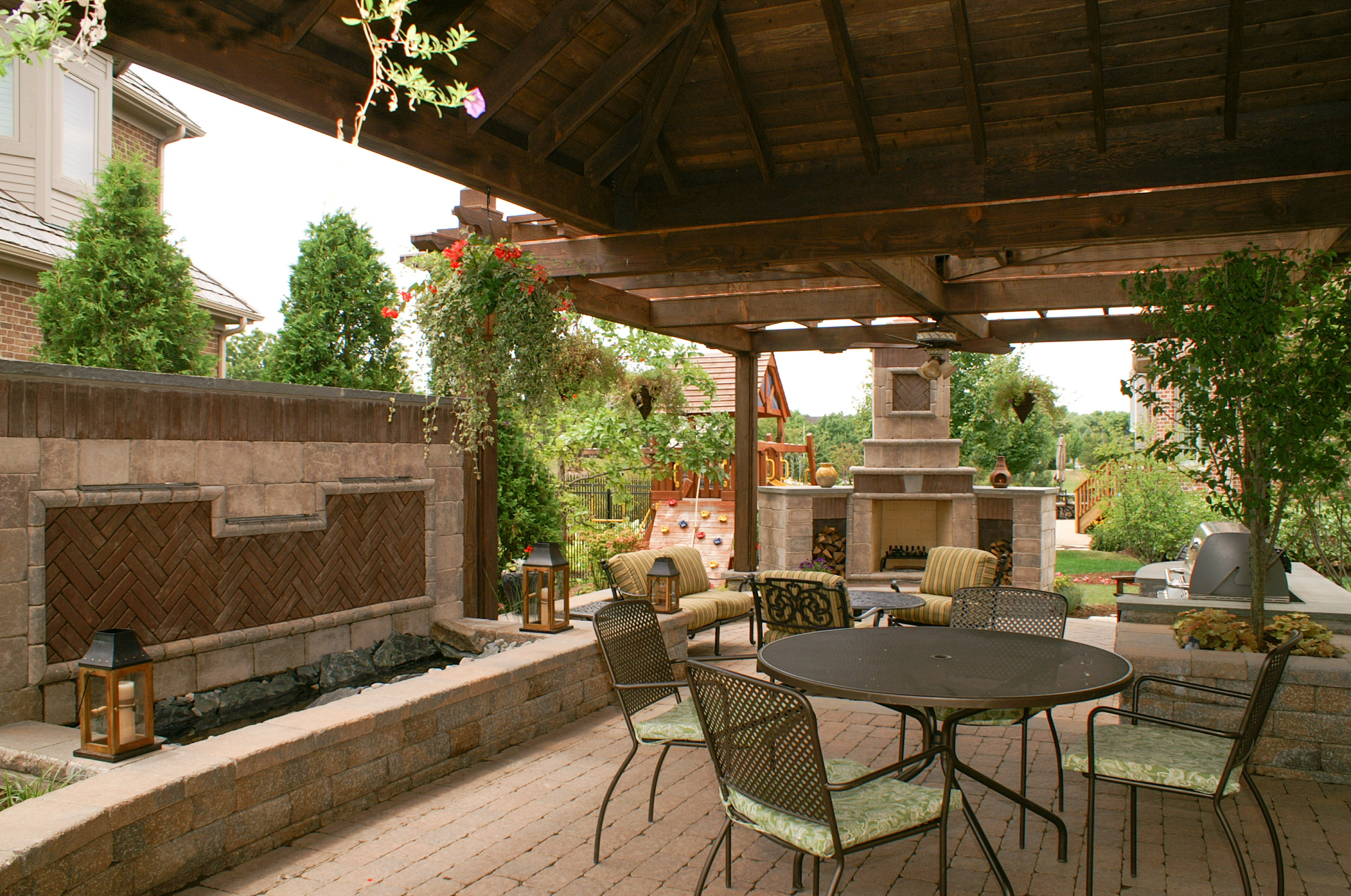
Comfort is one of the biggest factors in whether an outdoor space actually gets used. Shade structures, retractable louvers, covered pergolas, and pavilions help make outdoor living possible during hot summer afternoons or unexpected rain showers.
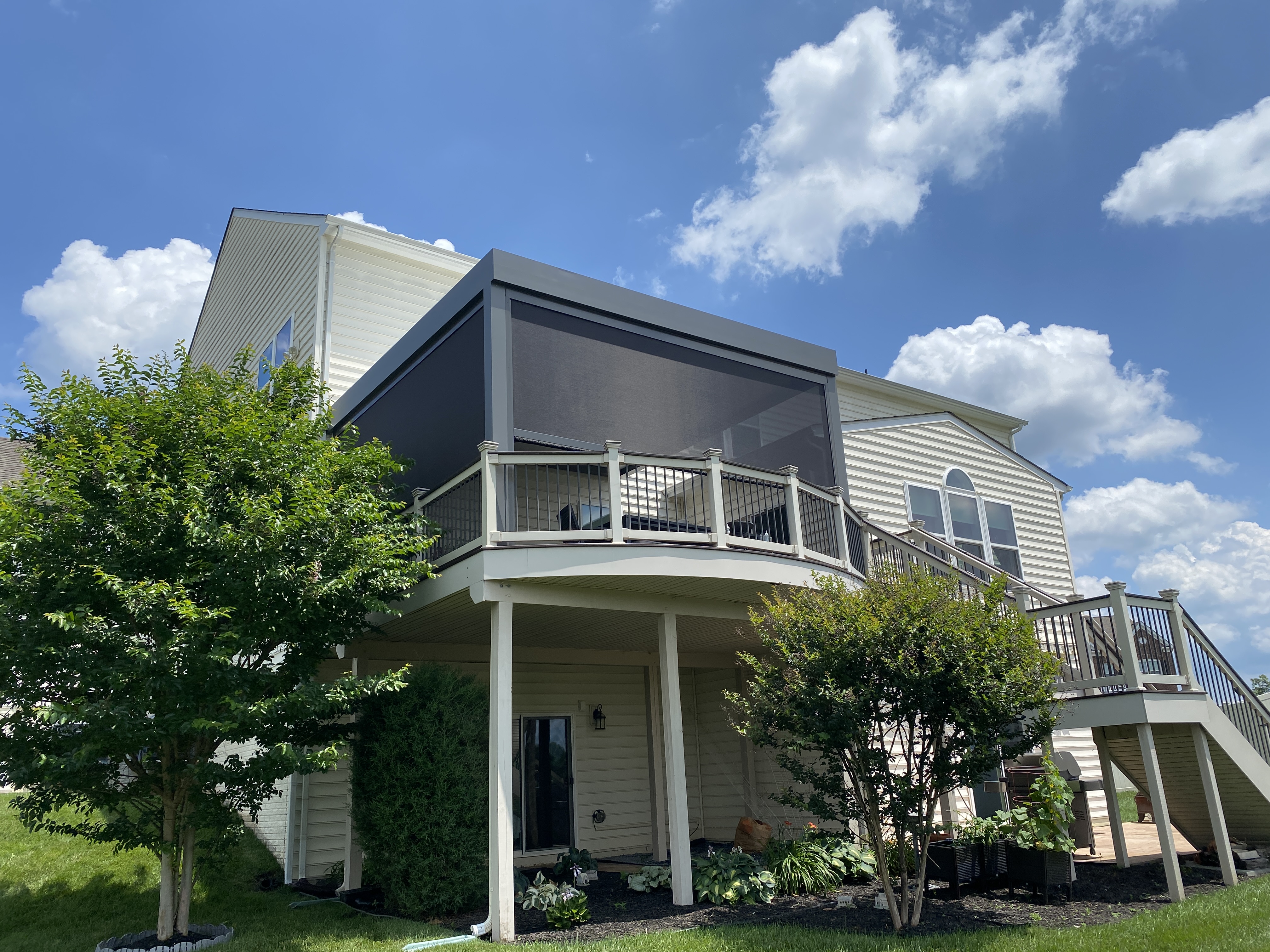
Motorized pergola systems, like an Azenco system from FineHouse, with adjustable louvers have become increasingly popular because they allow homeowners to adapt their space instantly based on weather conditions. The ability to control sunlight, airflow, and rain protection creates a much more flexible outdoor environment.
Focus on Durable, Timeless Materials
Outdoor living spaces experience constant exposure to the elements, so material selection matters. Choosing high-quality materials helps ensure the space remains beautiful and functional for years to come.
Consider materials that offer weather resistance, low maintenance requirements, structural longevity, and timeless architectural appeal.
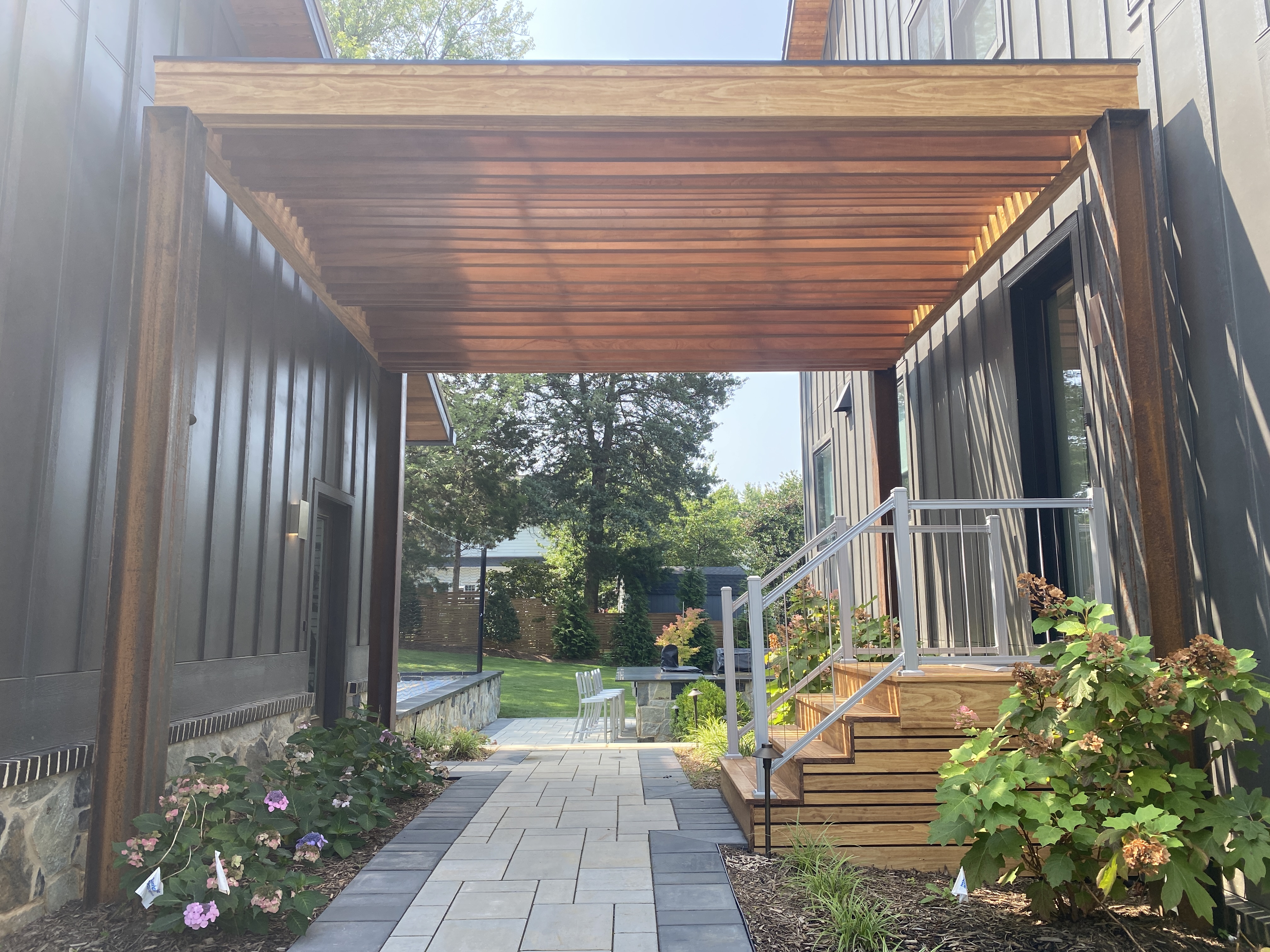
Elements like high quality wood, powder-coated aluminum, copper accents, and structural steel detailing can add both durability and character to the design.
At FineHouse, details like custom millwork, premium finishes, and structural steel shoe systems are used to create outdoor structures that feel both refined and built to last.
Layer Lighting for Day-to-Night Use
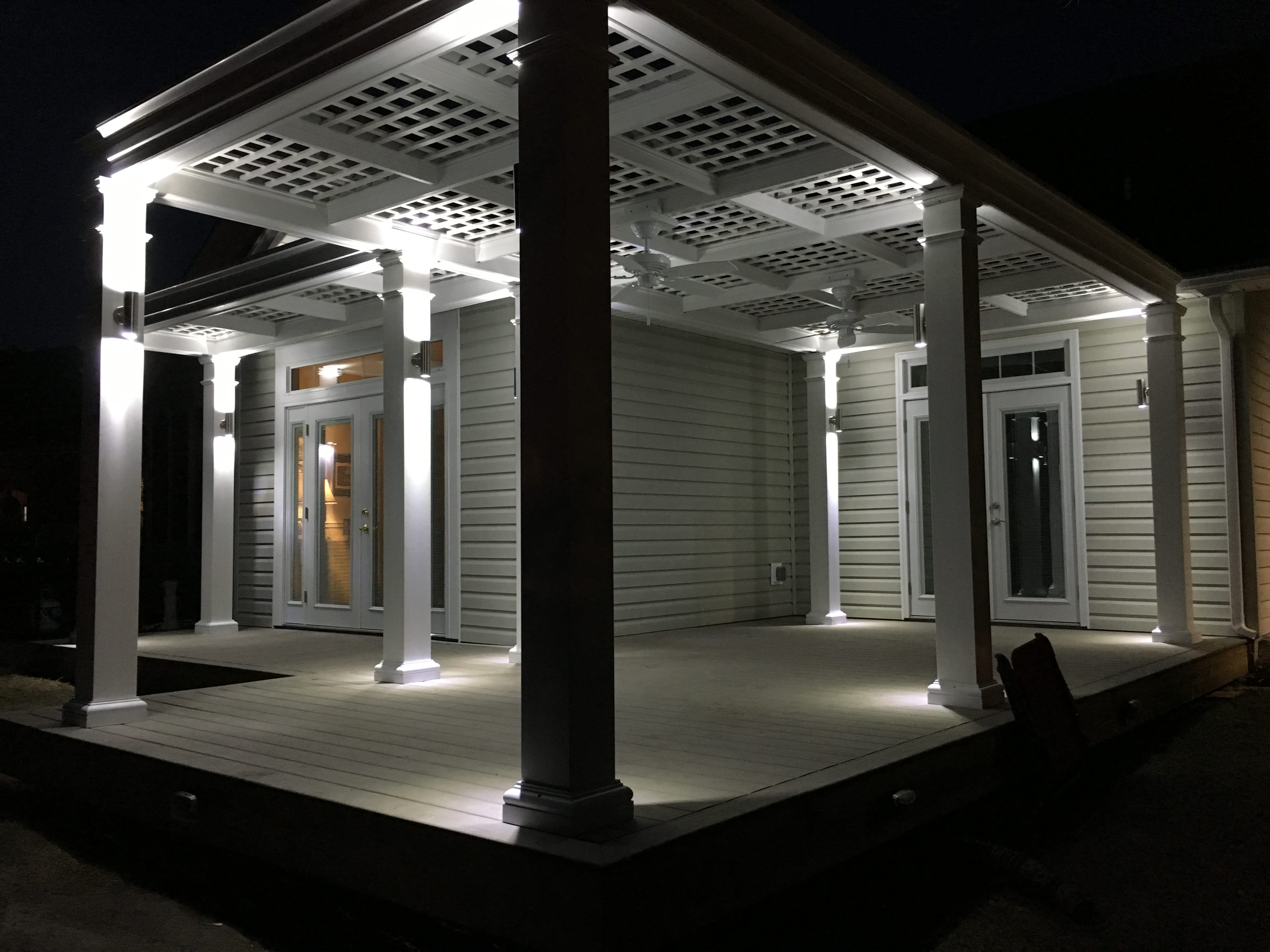
Lighting dramatically impacts how functional an outdoor space feels after sunset. Instead of relying on a single overhead fixture, layered lighting creates warmth, visibility, and atmosphere.
A combination of overhead lighting, accent lighting, path lighting, integrated LED systems, and decorative sconces or pendants can make an outdoor living area feel just as inviting at night as it does during the day.
Blend Nature with Architecture
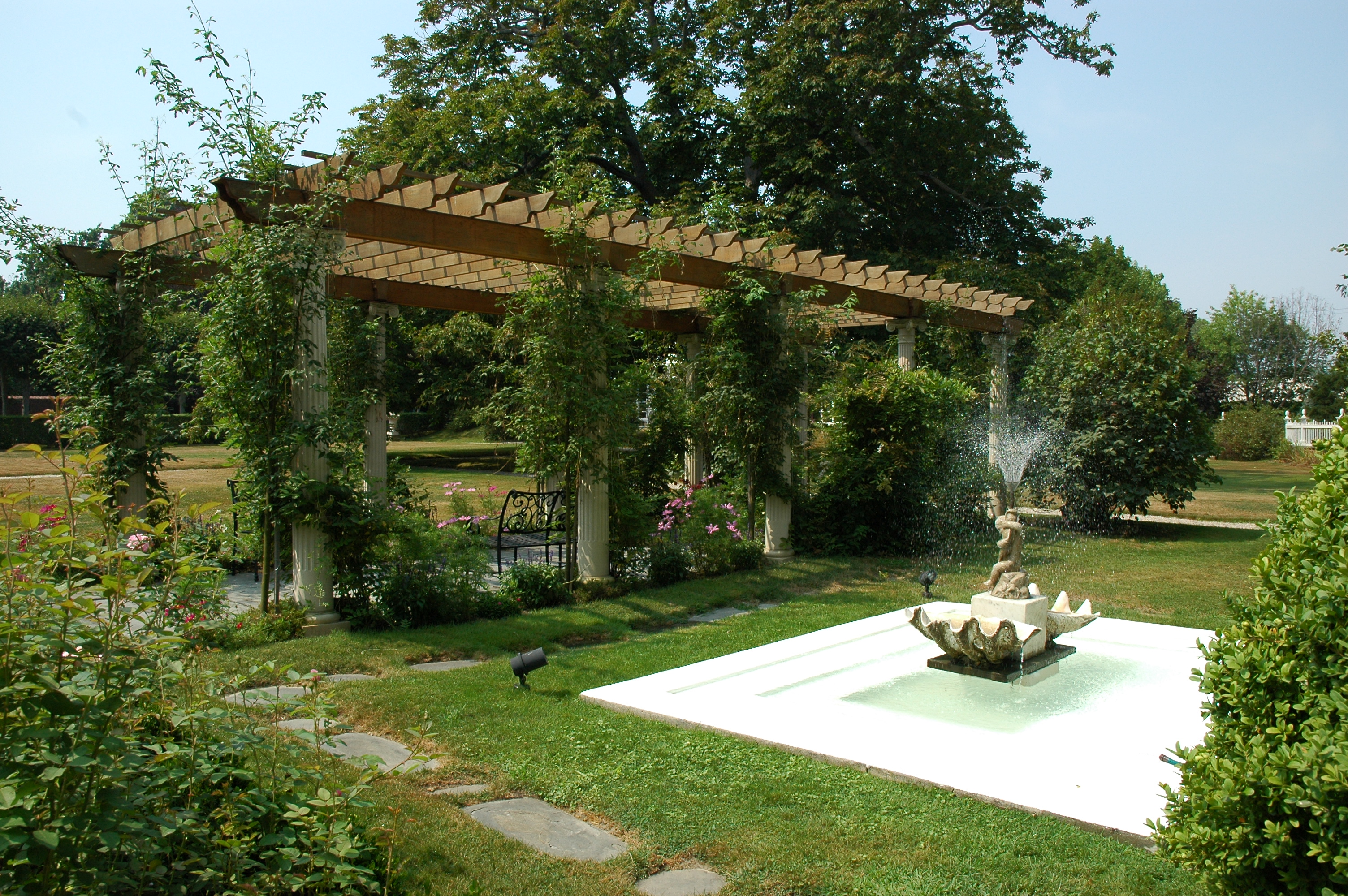
The most successful outdoor spaces feel connected to their surroundings. Landscaping, planters, climbing vines, and natural materials help soften architectural elements and create a more cohesive environment.
Pergolas and trellises are especially effective for integrating greenery into outdoor design, allowing plants to become part of the structure itself.
Think Long-Term
Outdoor living spaces are an investment in both your home and your lifestyle. Designing with longevity in mind ensures the space continues to serve your needs as they evolve over time.
A thoughtfully designed outdoor structure can increase property value, improve daily living, and create meaningful gathering spaces for years to come.
Rather than following short-term trends, focus on timeless design principles, quality craftsmanship, and functionality. The result is an outdoor space that feels intentional, comfortable, and truly livable.
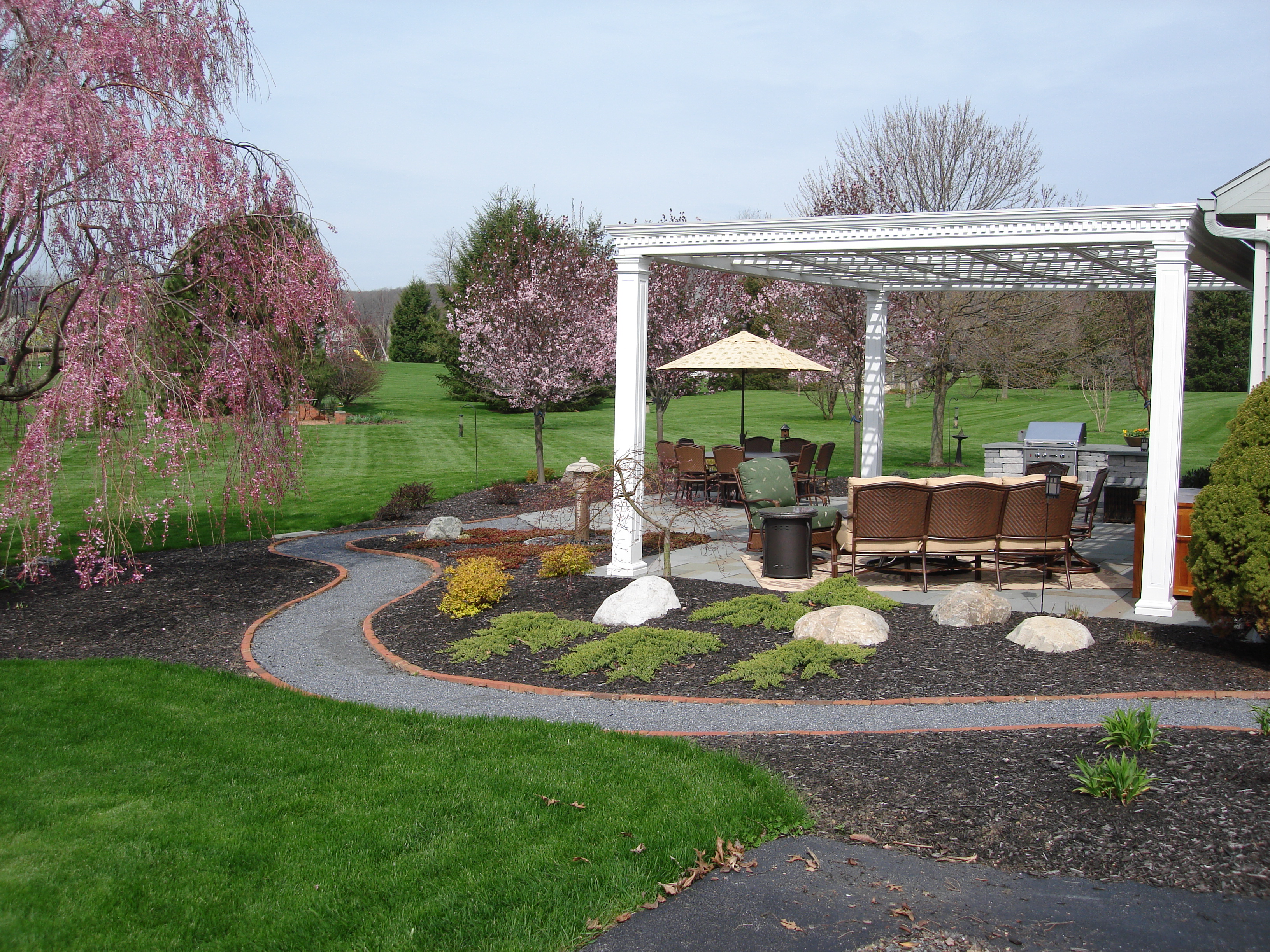
Create an Outdoor Space You’ll Actually Use
The best outdoor living spaces aren’t just beautiful, they become part of everyday life. Whether it’s morning coffee beneath a pergola, family dinners outdoors, or relaxing evenings under soft lighting, functionality is what makes an outdoor space memorable.
By combining thoughtful design, architectural structure, durable materials, and comfort-focused planning, you can create an outdoor environment that works beautifully in every season.