The Backyard Pergola Planning Checklist
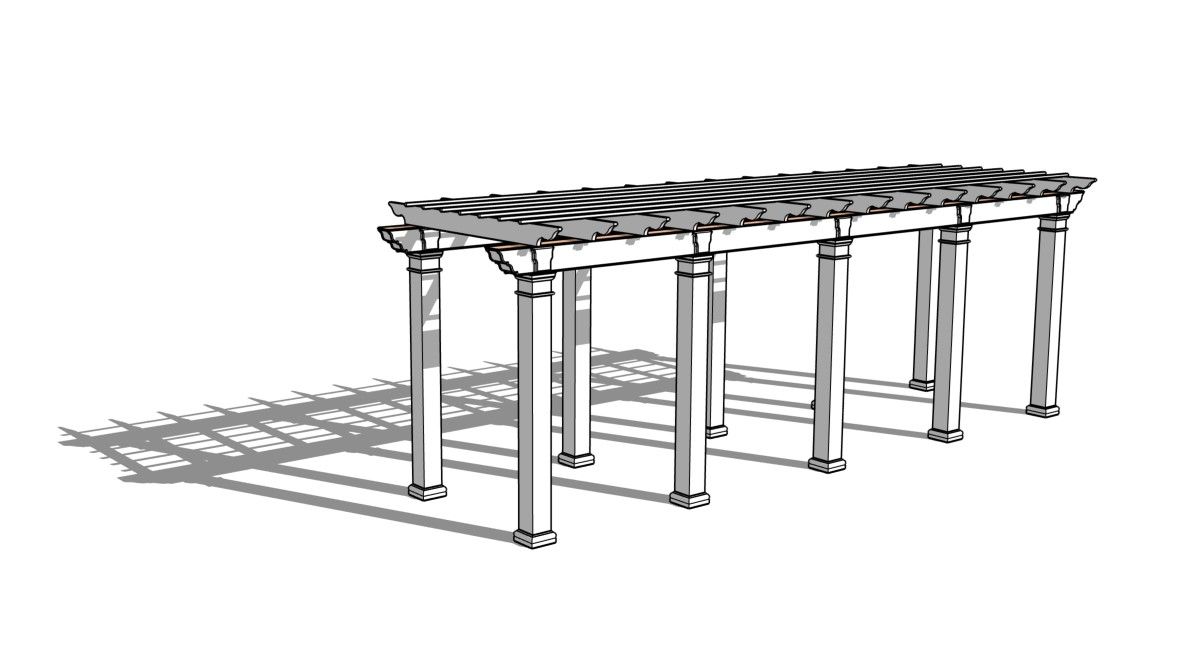
□ Define How You'll Use Your Pergola
Before choosing a style or size, think about the pergola's purpose.
-Outdoor dining area
-Lounge or conversation space
-Outdoor kitchen
-Hot tub or spa cover
-Garden feature
-Poolside shade
-Outdoor workspace
Knowing how you'll use the space will influence nearly every design decision that follows.
□ Choose the Best Location
Walk around your property and consider:
-Sun exposure throughout the day
-Existing trees and landscaping
-Views you want to highlight
-Areas you'd like to screen from neighbors
-Wind exposure
-Drainage after heavy rain
A pergola should complement both your home and your landscape.
□ Measure Your Space
Before selecting a pergola size:
-Measure the available area.
-Leave enough room for walkways.
-Account for furniture dimensions.
-Ensure doors and gates have adequate clearance.
-Consider roof overhangs and nearby structures.
Pro Tip: Consider using props, such as ropes and buckets as the perimeter and columns, to help visualize the structure's layout.
□ Check Local Building Requirements
Every municipality is different.
-Determine if a building permit is required.
-Review setback requirements.
-Check maximum height restrictions.
-Verify HOA guidelines, if applicable.
-Confirm property lines before construction.
Taking care of these items early can help prevent costly delays later.
□ Think About Sun and Shade
Shade changes throughout the day.
-Morning sun
-Afternoon sun
-Seasonal changes
-Nearby trees
-Desired shade level
Consider whether you want an open trellis, a retractable canopy, or adjustable louvers depending on how you'll use the space.
□ Plan for Utilities
If your pergola will include additional features, plan for them before construction begins.
-Electrical service
-Lighting
-Ceiling fan
-Outdoor speakers
-Gas line for a fire feature
-Outdoor kitchen connections
-Water supply
-Heater
Planning ahead keeps wiring and utilities hidden and easier to install.
□ Choose Your Pergola Materials
Each material offers its own benefits.
-Wood
-Metal
-Composite/PVC
-Stone/Brick Pedestals
Select materials that complement your home's architecture while matching your maintenance expectations and long-term goals.
□ Consider Privacy with Your Pergola
Think beyond overhead shade.
-Privacy walls
-Trellis panels
-Motorized screens
-Landscaping
-Climbing vines
Layering these elements creates a more comfortable outdoor room.
□ Furnish Before You Build
It sounds backwards, but furniture often determines the right pergola size.
-Dining table dimensions
-Seating arrangement
-Grill or outdoor kitchen
-Fire pit
-Storage
-Traffic flow
Design around how you'll actually use the space.
□ Think About Future Upgrades
Even if you're keeping things simple for your pergola today, leave room for tomorrow.
-Outdoor kitchen
-Fireplace
-Motorized louvers
-Shade screens
-Heaters
-Audio system
-Smart controls
Planning ahead can save significant time and expense later.
Final Checklist
Before ordering your pergola, make sure you can answer "yes" to each of these questions.
□ I know how my pergola will be used.
□ I've selected the ideal location.
□ My measurements are accurate.
□ I've checked local building requirements.
□ I've planned for utilities.
□ I've selected materials.
□ I've considered privacy and shade.
□ I know what furniture will go underneath.
□ My design allows room for future additions.
Ready to Build?
The best pergolas don't happen by accident. They're thoughtfully planned, carefully designed, and built to suit the way you'll actually live outdoors.
Whether you're designing a simple wooden pergola, a classically detailed structure with architectural columns, or integrating modern features like motorized louvers; starting with a solid plan ensures you'll enjoy your investment for years to come.
