Modern Accessories for the Outdoor Space
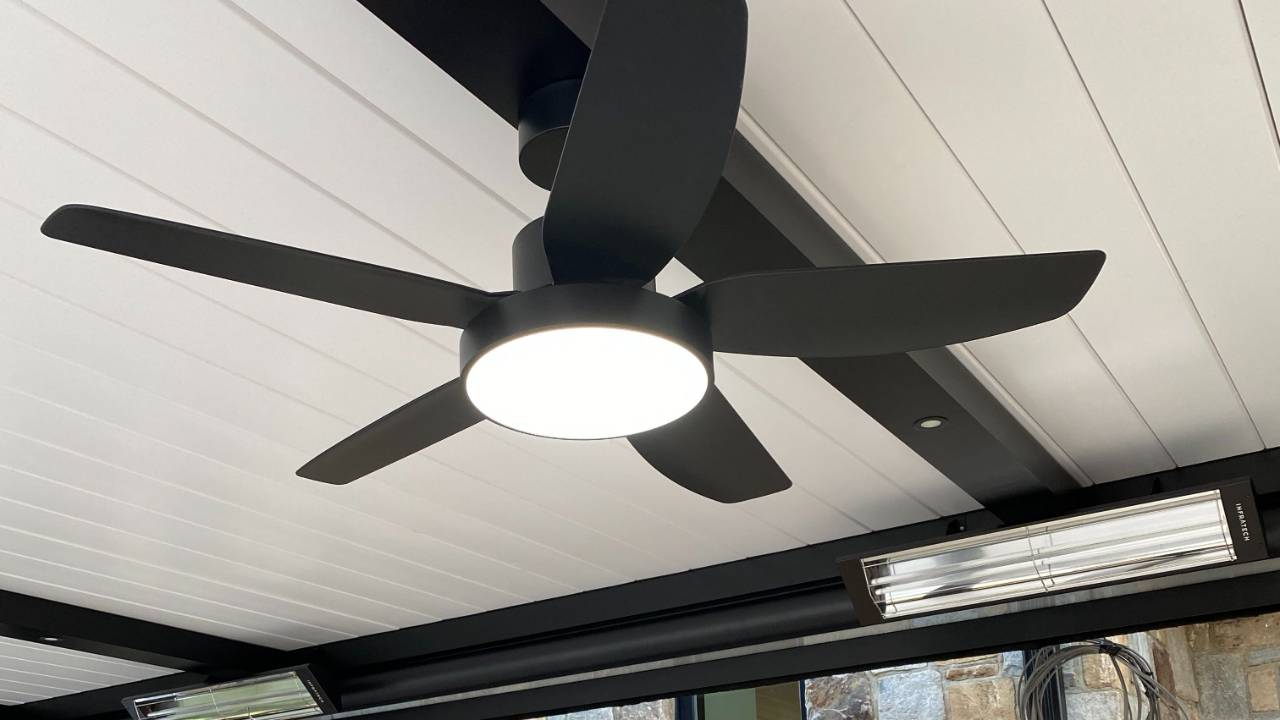
Outdoor living has changed significantly in recent years. What was once a relatively simple space with a table, a few chairs, and perhaps a grill can now function much more like an extension of the home. Advances in outdoor technology have made it possible to control sunlight, temperature, wind, rain, privacy, and even lighting with the push of a button.
These additions are not simply about adding more features. When thoughtfully incorporated into the design, modern outdoor accessories can make a structure more comfortable, more adaptable, and more useful throughout the year.
Here are some of the technologies changing the way we use outdoor spaces.
Operable Louvers
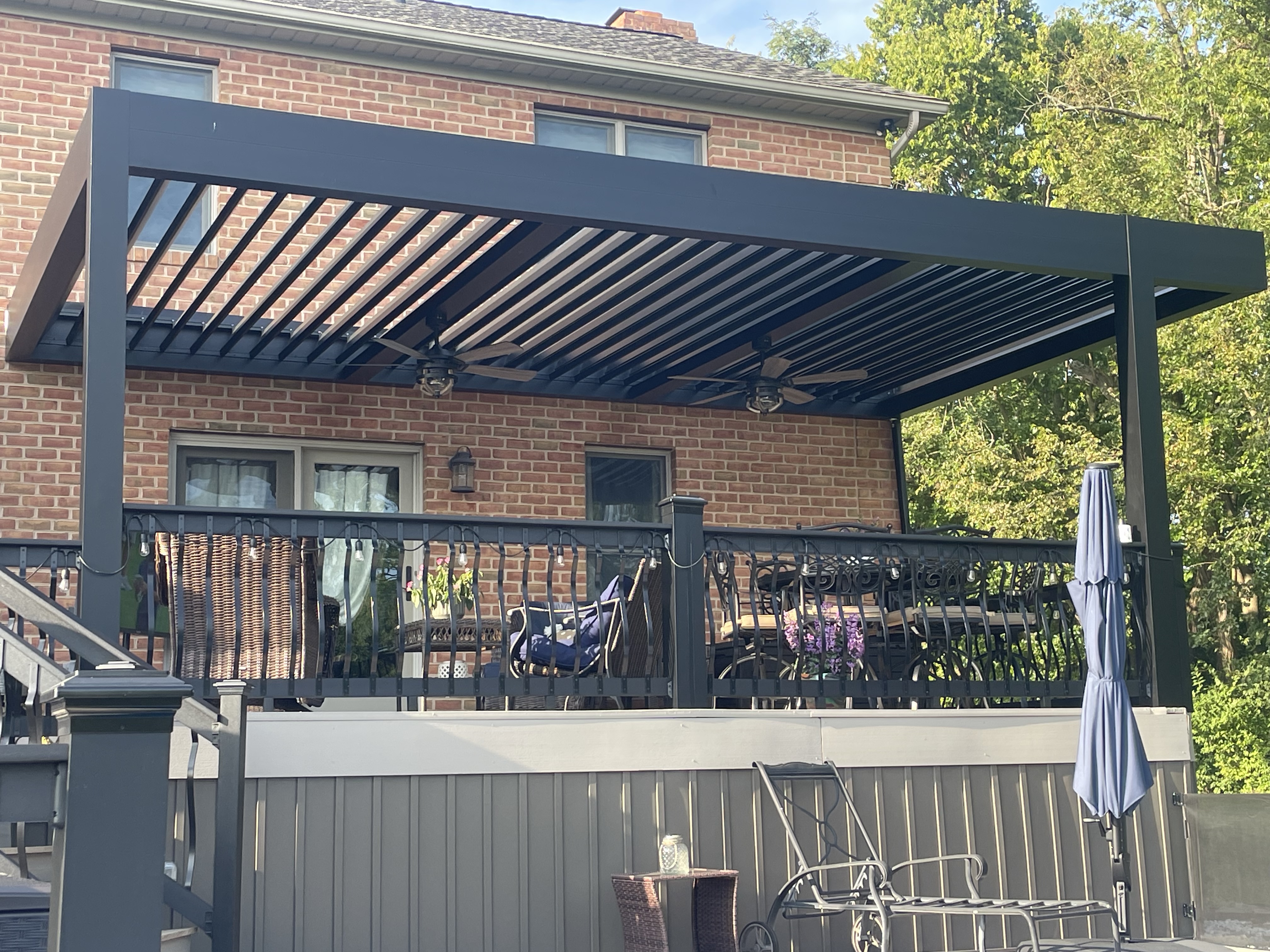
One of the most recognizable advancements in outdoor design is the operable louvered roof. Unlike a traditional fixed roof, operable louvers allow the amount of sunlight and airflow entering a space to be adjusted as conditions change.
Louvers can be opened to allow sunlight and fresh air into the space or closed to provide shade and protection from rain. This flexibility allows an outdoor structure to respond to changing weather rather than being limited by it.
For spaces that need to transition between sun and shade throughout the day, a louvered roof can provide a level of control that a traditional roof cannot.
Operable Screens
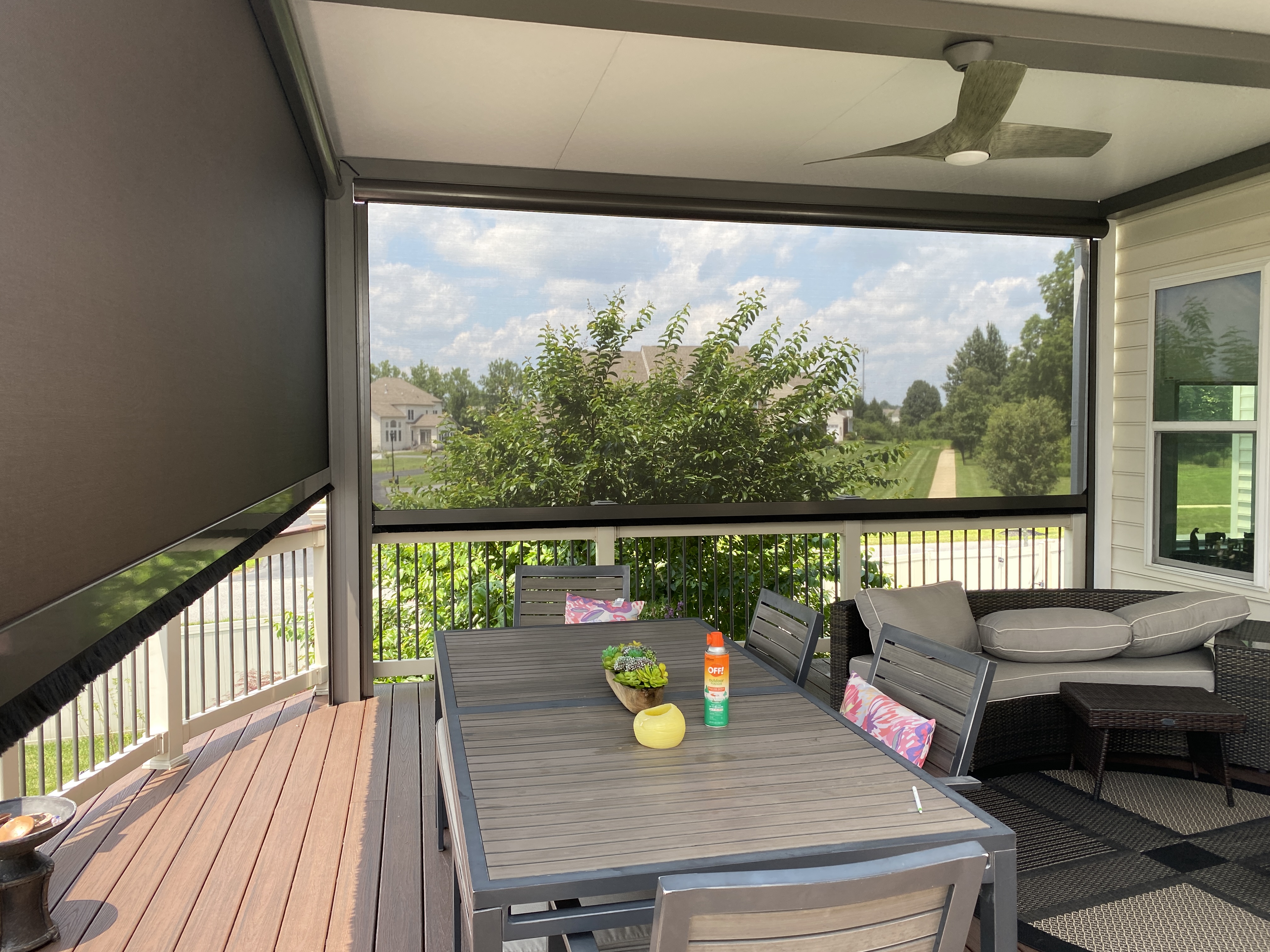
Privacy and protection from the elements are another area where outdoor technology has evolved. Motorized screens can be incorporated into the sides of a pavilion, pergola, or other outdoor structure to provide shade, privacy, and protection from insects and wind.
When the screens are not needed, they can be retracted, leaving the structure completely open. When the afternoon sun becomes intense or additional privacy is desired, they can be lowered with the push of a button.
This ability to change the enclosure of an outdoor space makes the structure more adaptable without permanently closing it in.
Outdoor Heating
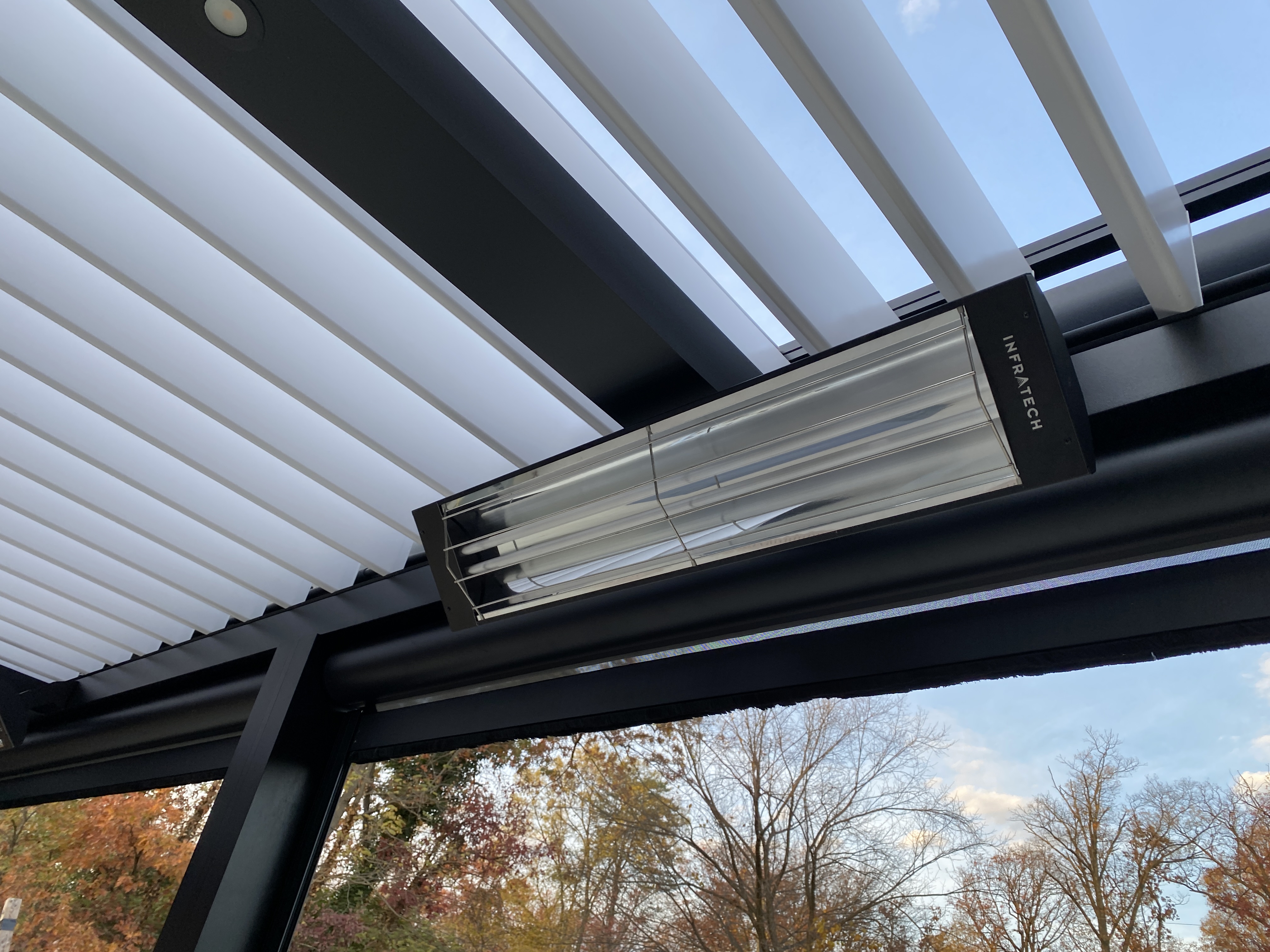
Temperature can be one of the biggest limitations to outdoor use. Modern heating systems make it possible to extend the comfortable use of an outdoor space well beyond the warmer months.
Infrared heaters, radiant heating systems, and other purpose-built outdoor heating solutions can be integrated into ceilings, beams, walls, or other architectural elements. Because many of these systems can be incorporated into the structure itself, heating does not necessarily need to become a visual focal point.
Strategically placed heaters can create comfortable gathering areas while allowing the surrounding space to remain open.
Outdoor Cooling
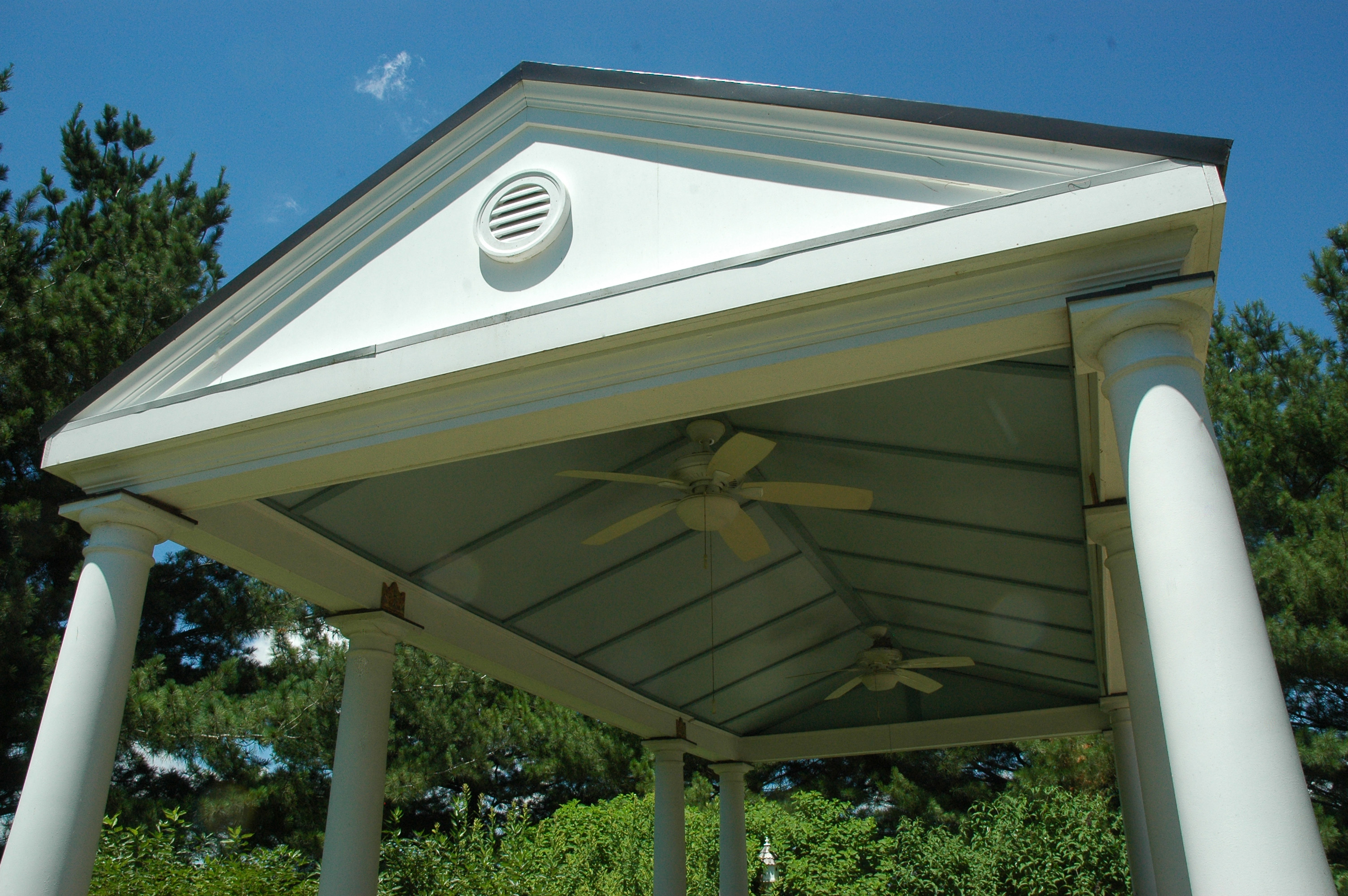
Heating is only half of the equation. In warmer climates, cooling and airflow can be just as important.
Ceiling fans are a familiar solution, but modern outdoor structures can incorporate larger, more architectural fan systems designed specifically for open-air environments. These systems help circulate air and create a more comfortable environment without enclosing the space.
Combined with operable screens and adjustable shade, active airflow can make a significant difference on hot summer days.
Motorized Shades and Canopies
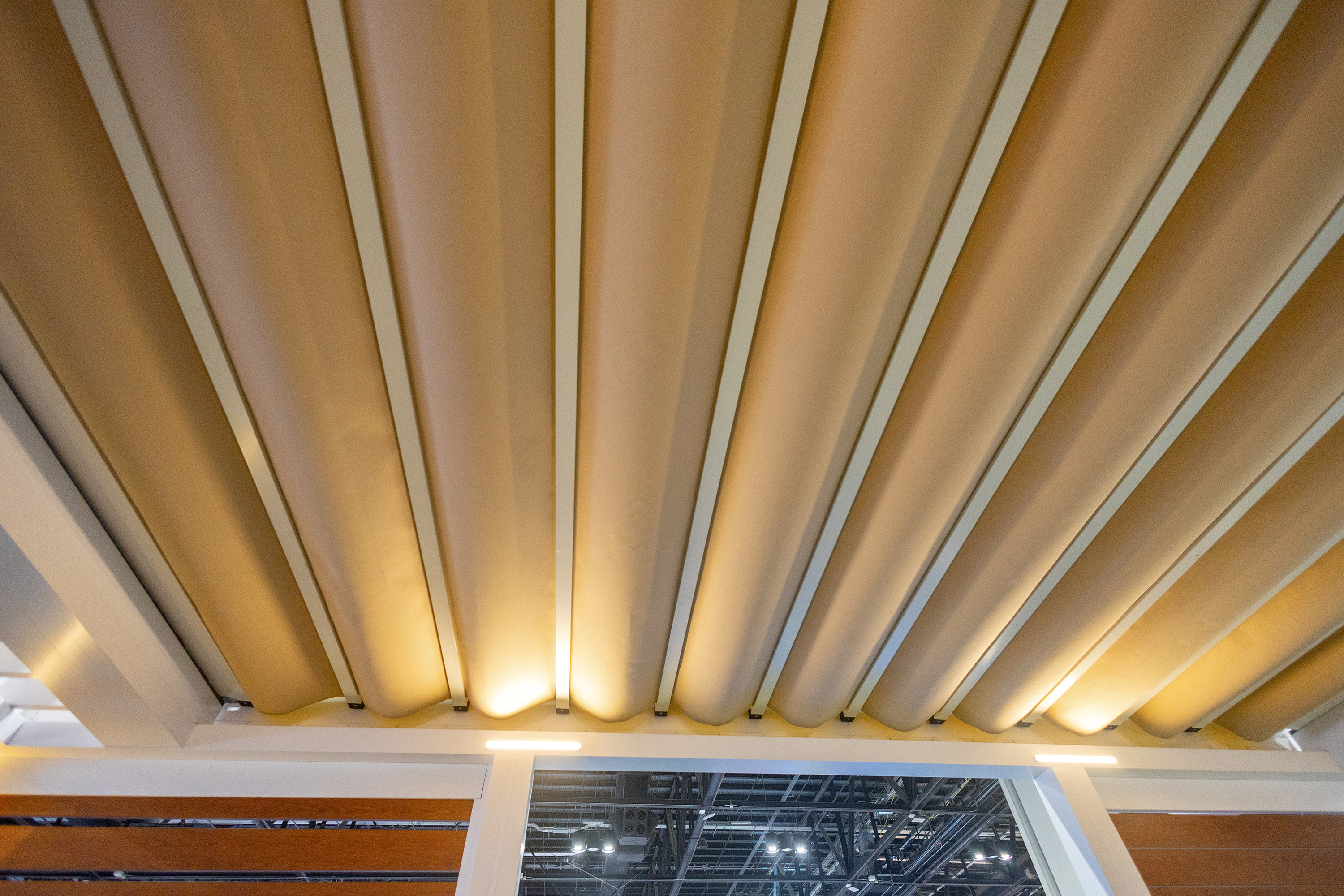
Not every outdoor structure requires a solid roof. Motorized fabric shades and retractable canopies provide another way to control sunlight while maintaining an open and lightweight appearance.
These systems can be extended when shade is needed and retracted when homeowners want to enjoy direct sunlight or an unobstructed view of the sky.
They can also be particularly useful for structures where maintaining a traditional architectural appearance is important while still providing modern functionality.
Integrated Lighting
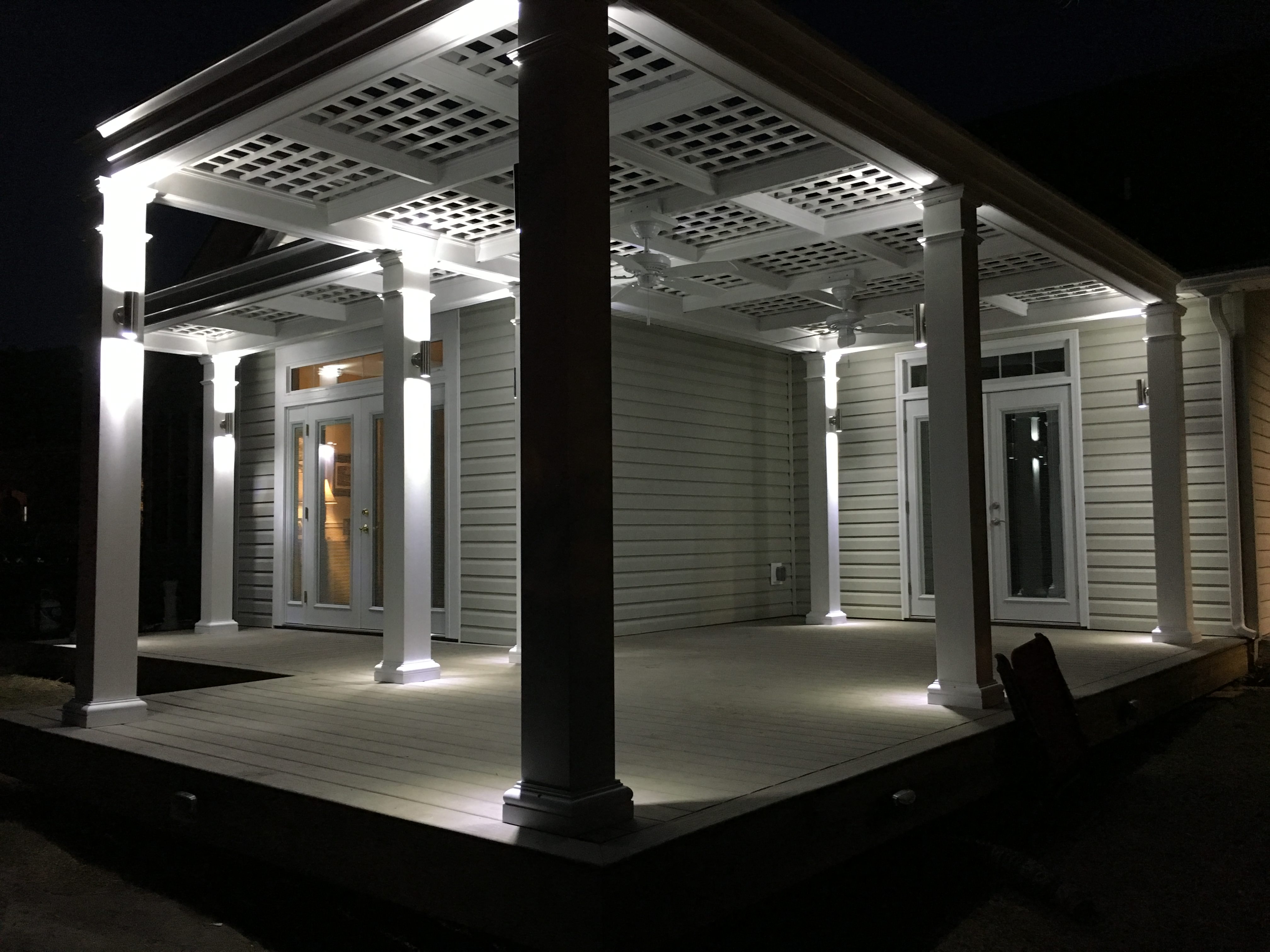
Outdoor lighting has also become increasingly sophisticated. Rather than relying exclusively on freestanding fixtures or wall-mounted lights, lighting can be integrated directly into the architecture.
LED lighting can be concealed within beams, ceilings, columns, screens, and other structural elements. This creates illumination without necessarily drawing attention to the fixtures themselves.
Different lighting zones can also be used to accommodate different activities, from general illumination for entertaining to softer lighting for evening dining or relaxing.
Outdoor Audio and Entertainment
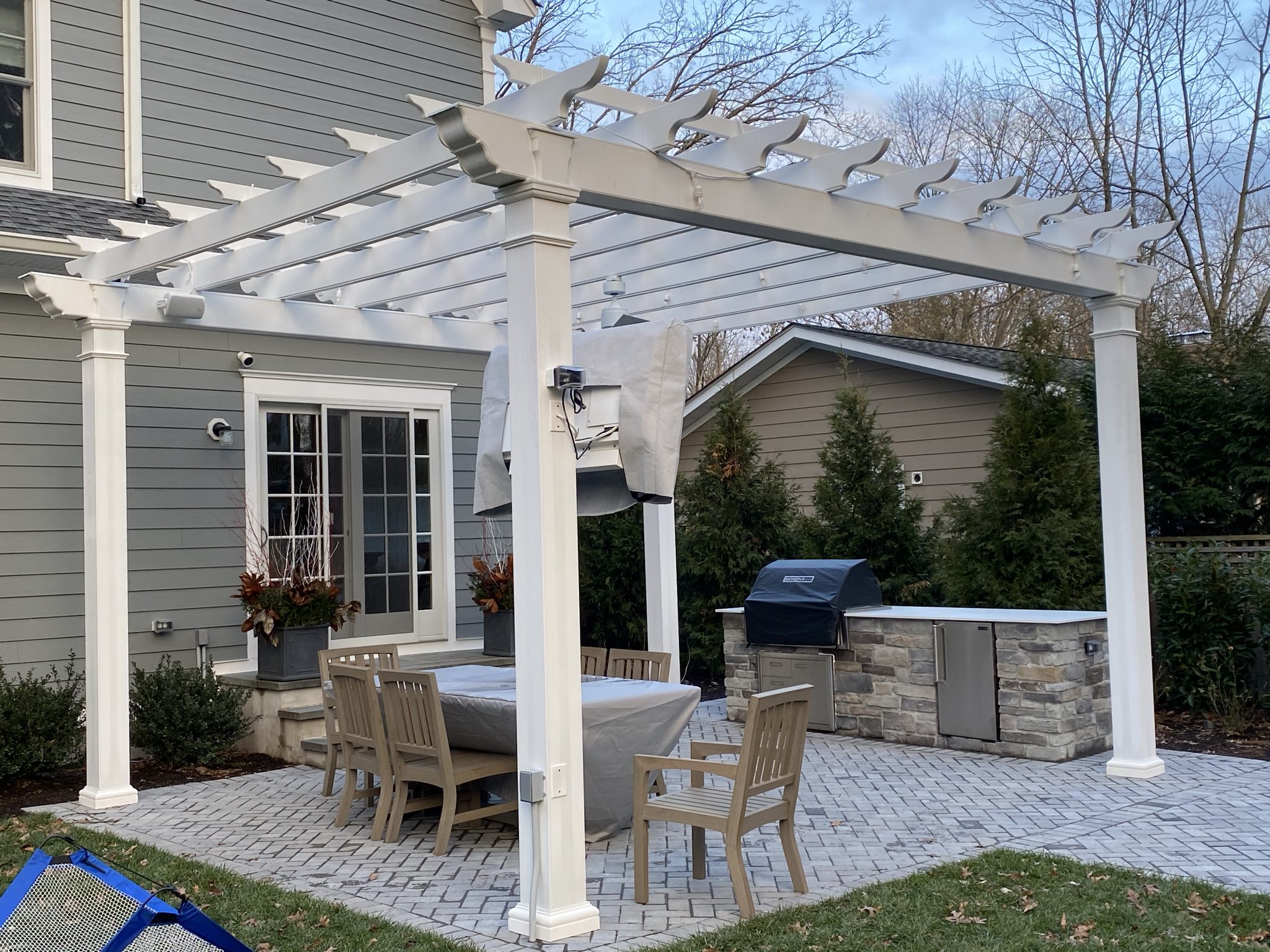
Modern outdoor spaces can also incorporate technology for entertainment. Weather-resistant speakers can be integrated into ceilings, walls, or landscaping so that sound becomes part of the environment rather than an obvious addition.
Televisions and other entertainment systems can similarly be incorporated into outdoor structures. With careful planning, these elements can be positioned so they are available when needed without overwhelming the architectural design.
The key is considering these systems during the design process rather than attempting to add them after construction is complete.
Outdoor Kitchens and Appliances
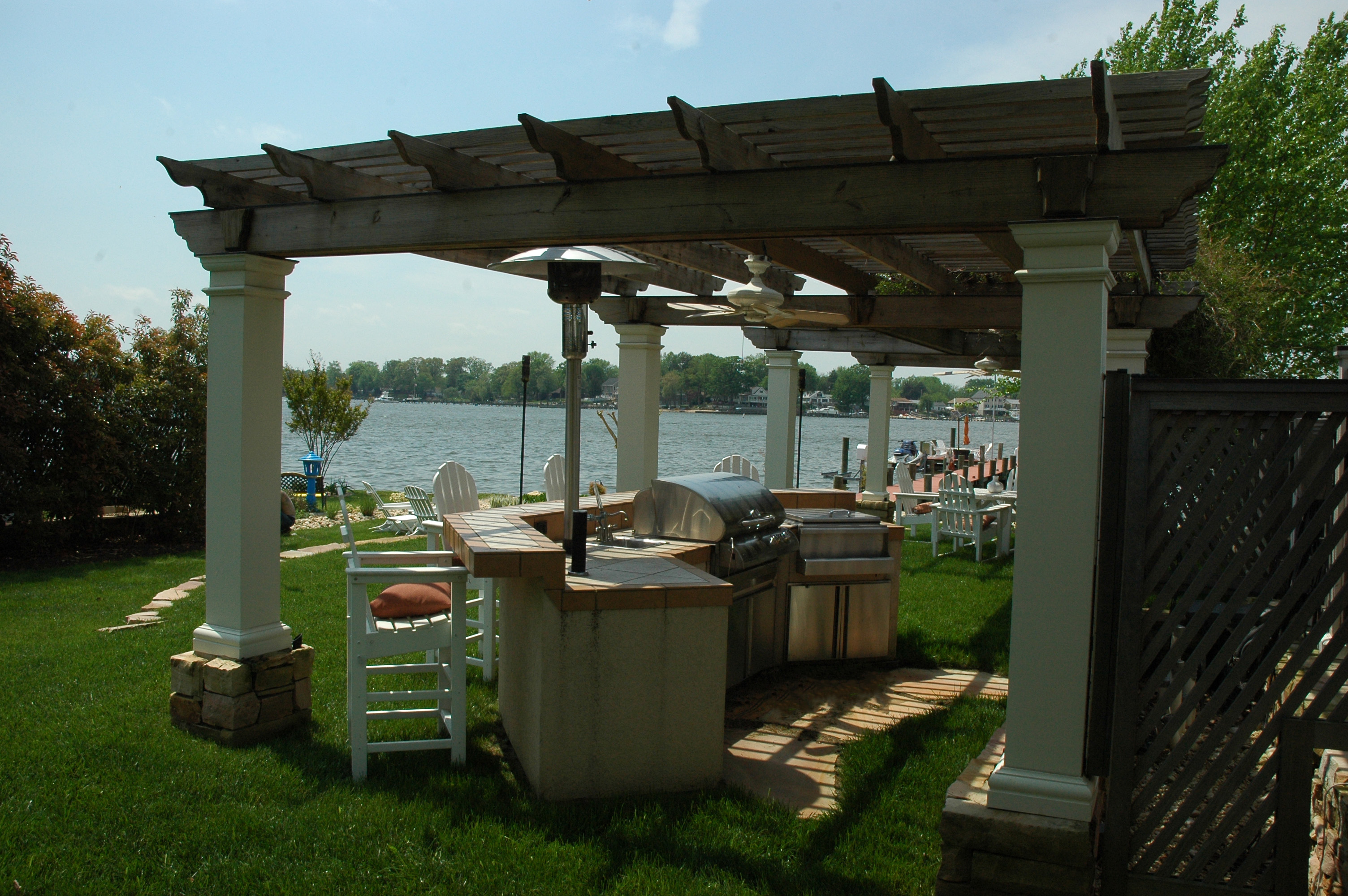
Outdoor cooking has moved well beyond the traditional standalone grill. Today's outdoor kitchens can include refrigerators, sinks, storage, cooktops, pizza ovens, beverage centers, and other appliances designed specifically for exterior environments.
These features allow an outdoor structure to function as a true entertaining space rather than simply an area adjacent to the house.
Like lighting and entertainment systems, outdoor appliances are best considered as part of the overall design. Their locations can be coordinated with seating, circulation, utilities, and the architecture of the structure.
Fire Features
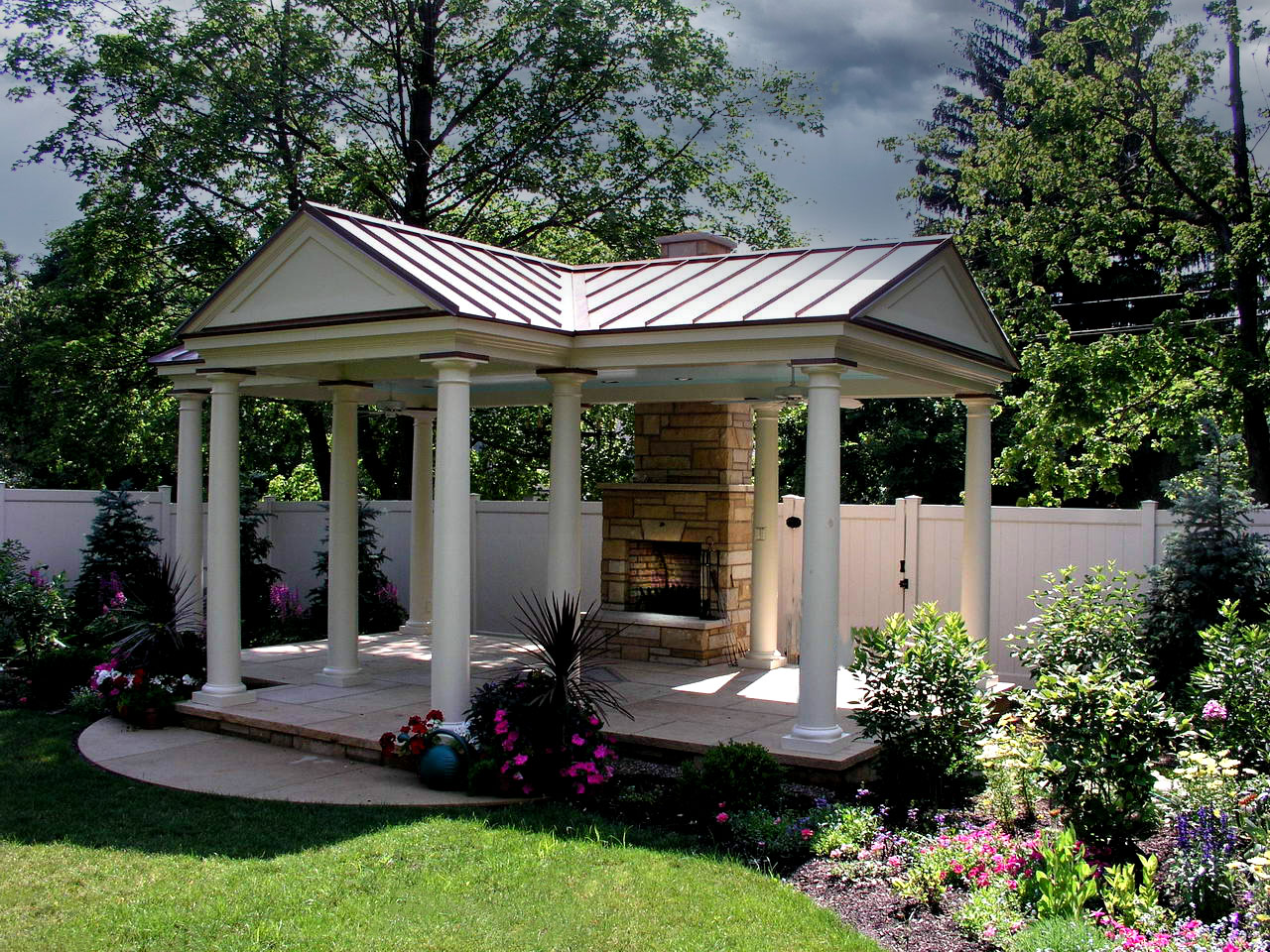
Fire remains one of the most effective ways to make an outdoor space feel inviting. Modern fire features range from traditional fireplaces to fire pits and linear fire tables.
These features can provide warmth while also creating a visual focal point. They can be designed as architectural elements that complement the structure rather than treated as separate pieces of equipment.
The choice of fire feature depends on how the space will be used. A fireplace can create a strong architectural focal point, while a fire table or fire pit can encourage conversation and gathering around the fire.
The Technology Should Support the Architecture
With so many outdoor technologies now available, it can be tempting to add as many features as possible. But the most successful outdoor spaces are not necessarily the ones with the most technology.
The goal is to determine which systems actually support the way the space will be used.
A structure in a sunny location may benefit most from adjustable shade and operable screens. A space intended for three-season entertaining may prioritize heating and lighting. Another project may require a combination of louvers, screens, audio, and an outdoor kitchen.
These decisions should be considered alongside the architecture, materials, proportions, and overall design of the structure. When they are planned together, technology can become almost invisible while still providing a significant improvement in comfort and functionality.
Designing for the Way You Live Outdoors
The modern outdoor space is no longer limited to a fixed arrangement of materials and furniture. It can respond to the weather, the time of day, and the way the space is being used.
Operable roofs can control sunlight and rain. Screens can change the degree of enclosure. Heating and fans can improve comfort. Lighting can transform the space after dark. Kitchens, entertainment systems, and fire features can make outdoor areas more capable of hosting everything from casual evenings to larger gatherings.
The result is an outdoor space that is not simply an extension of the home, but a carefully designed environment that can adapt to the people using it.
As outdoor technology continues to evolve, the possibilities for what an outdoor structure can provide will continue to expand. The most important consideration is not simply which accessories are available, but how they can be integrated into the architecture to create a space that is comfortable, functional, and designed for the way it will actually be used.
