What is a Pedestal in Architecture?

When looking at an architectural column, it is easy to focus on the column itself. Its shaft, capital, proportions, and decorative details tend to attract the most attention. But there is another architectural element at the bottom that plays an important role in the overall design: the pedestal.
A pedestal is the architectural base or support upon which a column, post, statue, vase, or other feature is placed. In outdoor design, pedestals can provide both practical support and an important visual transition between the landscape and the architecture above it.
For landscape professionals, understanding what a pedestal is and how it relates to columns, posts, and other architectural elements can be useful when designing pergolas, pavilions, porticos, garden structures, and formal landscapes.
What Is a Pedestal in Architecture?
At its simplest, a pedestal is a raised architectural base that supports something above it.
When used with a column, the pedestal creates a transition between the column and the surface below. Rather than having a column appear to meet the ground abruptly, the pedestal gives it a defined architectural foundation.
Pedestals can be simple or highly decorative. They may be constructed from stone, brick, concrete, wood, composite materials, or other materials appropriate for the application.
In classical architecture, a pedestal may be composed of several distinct parts and can be highly detailed. In contemporary landscape design, it may be simplified into a clean, geometric base.
The basic purpose remains the same: to provide a visual and physical foundation for the element above it.
Pedestal vs. Plinth: What Is the Difference?
Pedestal and plinth are sometimes used interchangeably, but they are not exactly the same thing.
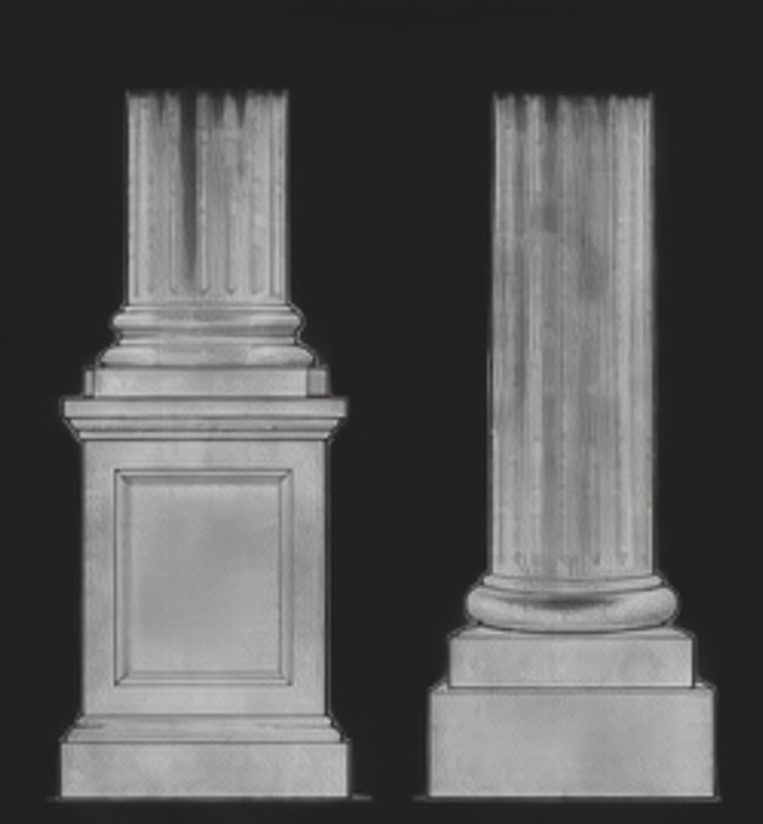
A plinth is generally the square or rectangular slab at the base of a column or other architectural element. A pedestal is typically a more substantial architectural support that elevates and supports the element above it.
In other words, a plinth can be part of a pedestal.
These distinctions become especially useful when discussing architectural details with architects, landscape designers, contractors, and manufacturers. Using the correct terminology can make it easier to communicate exactly what is needed for a project.
Pedestal vs. Column
A pedestal is not a column.
A column is the vertical architectural element above the pedestal. Depending on the design, the column may be structural, decorative, or a combination of both.
A traditional classical column is generally composed of several major elements:
- Base
- Shaft
- Capital
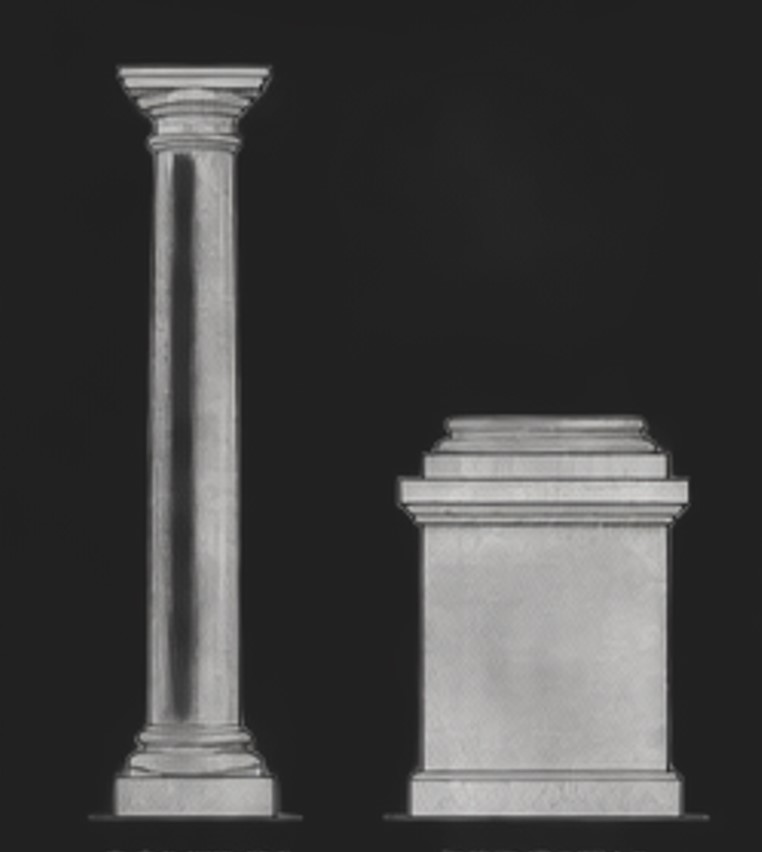
A pedestal sits beneath the column and provides another layer of architectural proportion between the column and the ground.
This combination can create a much more substantial architectural presence than a column placed directly on a slab or footing.
Why Use a Pedestal in Outdoor Design?
For landscape professionals, one of the biggest advantages of a pedestal is its ability to establish scale and proportion.
Consider a tall garden pavilion supported by architectural columns. If the columns simply extend down to the finished surface, the structure may have a very different visual weight than the same columns placed on substantial pedestals.
A pedestal can make a column appear taller, more substantial, and more connected to the architecture above it.
It can also create a visual transition between different materials. For example, a stone or masonry pedestal beneath a painted wood or composite column can help connect the column to a masonry terrace or foundation.
Pedestals in Garden Architecture
Pedestals have a particularly strong connection to formal garden design.
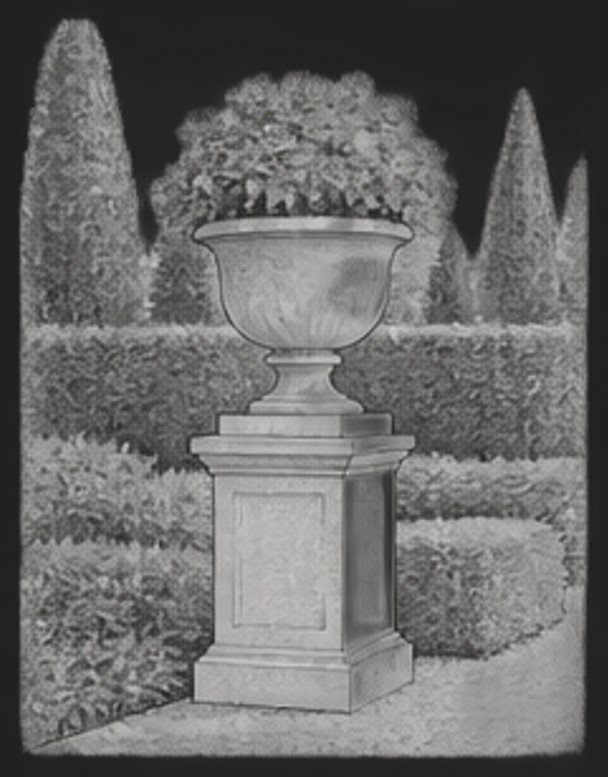
Historically, they have been used to elevate statues, urns, planters, and other decorative objects. Raising an object above the surrounding landscape gives it greater visual prominence and creates a deliberate focal point.
The same principle applies to architectural columns.
A column placed on a pedestal becomes visually elevated and more pronounced within the landscape. This can be especially effective for formal gardens, estate landscapes, entry gates, terraces, and architectural garden structures.
A pedestal can also help establish rhythm when multiple columns are used together.
Pedestals and Pergolas
Pergolas provide a good example of how pedestals can contribute to outdoor architecture.
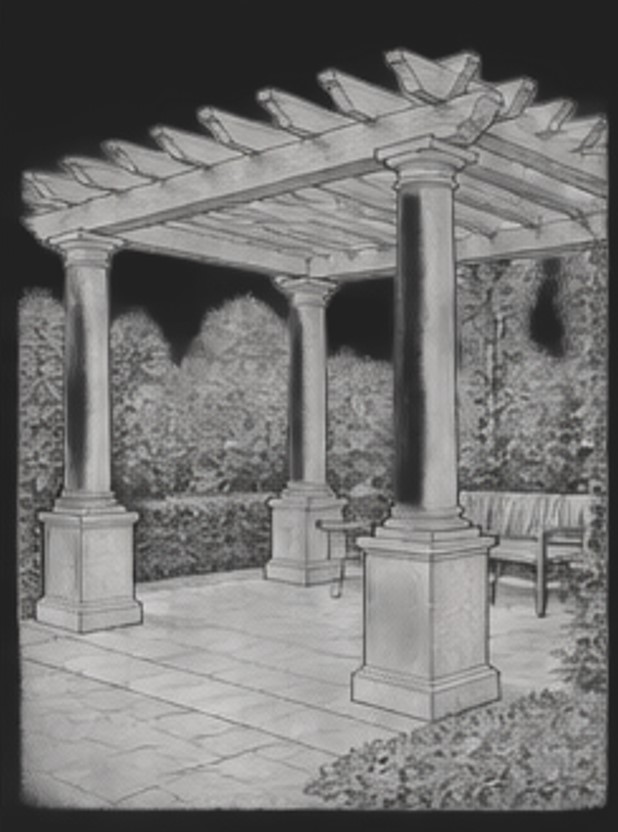
A pergola consists of columns or posts supporting an overhead structure. These supports can range from simple square posts to more detailed architectural columns with classical proportions and decorative elements.
Adding pedestals beneath those columns changes the visual relationship between the structure and the landscape.
A square or paneled pedestal can give a classical pergola a more substantial appearance. A masonry pedestal can visually anchor a structure to a stone terrace. A simpler pedestal can provide a clean transition without overwhelming the architecture.
The right choice depends on the proportions and style of the entire structure.
Site Built vs. Manufactured Pedestals
Pedestals can be constructed on site using materials such as stone, brick, masonry, or wood.
A site built pedestal can be particularly useful when the goal is to tie an outdoor structure directly into the materials already present on the property. For example, a stone pedestal can repeat the masonry used in a home's foundation or surrounding landscape.
Pre-manufactured pedestals provide another option.
FineHouse offers pre-manufactured pedestal solutions that can be specified to meet architectural requirements. These can provide a consistent appearance and allow the pedestal and column to be designed as complementary elements.
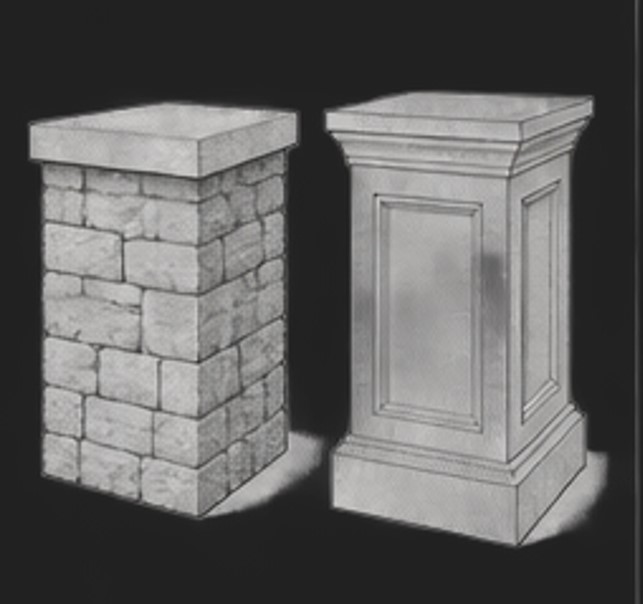
Pedestals Can Be Structural, Architectural, or Both
It is important to distinguish between the architectural appearance of a pedestal and its actual structural role.
A pedestal may simply provide a decorative base around a structural support. In other applications, the pedestal itself may be part of the structural system supporting the column above.
For an outdoor structure carrying a roof or other overhead load, the foundation, column, pedestal, and connections all need to work together.
A structural column can also incorporate an internal support system, such as a PostCore™ system, while the visible exterior provides the desired architectural appearance.
This is an important consideration for landscape professionals. A pedestal should not be treated as purely decorative when it is part of a structural column assembly.
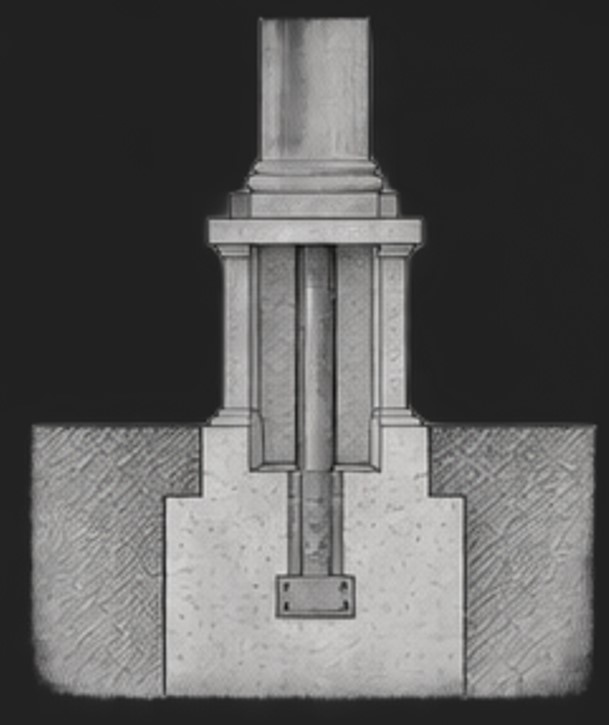
Pedestals Help Establish Proportion
One of the most important reasons to use a pedestal is architectural proportion.
Classical architecture is heavily influenced by relationships between height, width, and scale. The base of a structure needs to feel appropriately proportioned to the column above it and the architecture surrounding it.
A pedestal that is too small may make a large column feel unsupported. One that is too large can visually overpower the column and the structure.
For landscape professionals, this is where the pedestal becomes a design tool rather than simply a base.
It can be used to adjust the apparent height and weight of a column while helping the entire structure feel balanced.
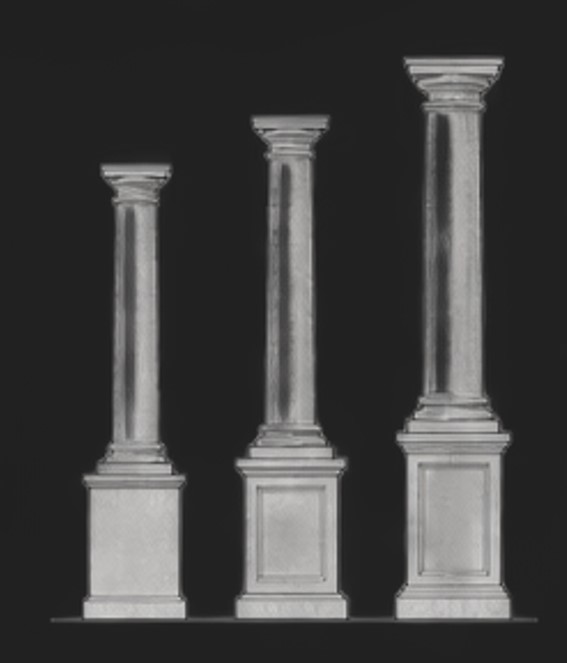
Pedestals Can Connect Architecture to the Landscape
Outdoor architecture exists between two worlds.
It has the proportions and geometry of architecture, but it sits within a landscape of planting, stone, earth, and natural materials.
Pedestals can help bridge that gap.
A masonry pedestal can visually connect a column to a stone terrace. A painted pedestal can relate to the architecture of the home. A natural stone base can make a formal column feel more integrated into a garden setting.
This transition can be especially important when designing an outdoor structure as an extension of an existing residence.
More Than Just a Base
A pedestal may seem like a relatively small architectural detail, but small details can have a significant effect on how an outdoor structure is perceived.
A column without a pedestal can feel lighter and more contemporary. The same column placed on a substantial pedestal can feel more formal, established, and architectural.
That makes the pedestal another tool in the landscape professional's vocabulary.
When designing an outdoor structure, consider not only the columns themselves but also how those columns meet the ground. The base is part of the architecture too.
The Pedestal's Role in Garden Architecture
The pedestal has been used for centuries to elevate and emphasize architectural and decorative elements. In today's landscape, its role remains remarkably relevant.
Whether it is supporting a classical column beneath a pergola, creating a foundation for a garden urn, or providing a transition between masonry and architectural millwork, the pedestal can add both function and visual weight.
For landscape professionals, understanding these smaller architectural elements can make a significant difference in the finished design.
The next time you look at an architectural column, look down.
The pedestal may not be the first thing you notice, but it may be one of the details that makes the entire structure feel properly grounded.
